

Polycystic Ovary Syndrome, or PCOS, affects many women and can impact hormones, metabolism, and reproductive health. While medical treatment is important, lifestyle and diet changes can play a major role in managing symptoms and improving overall well-being.
Focus on Balanced Nutrition
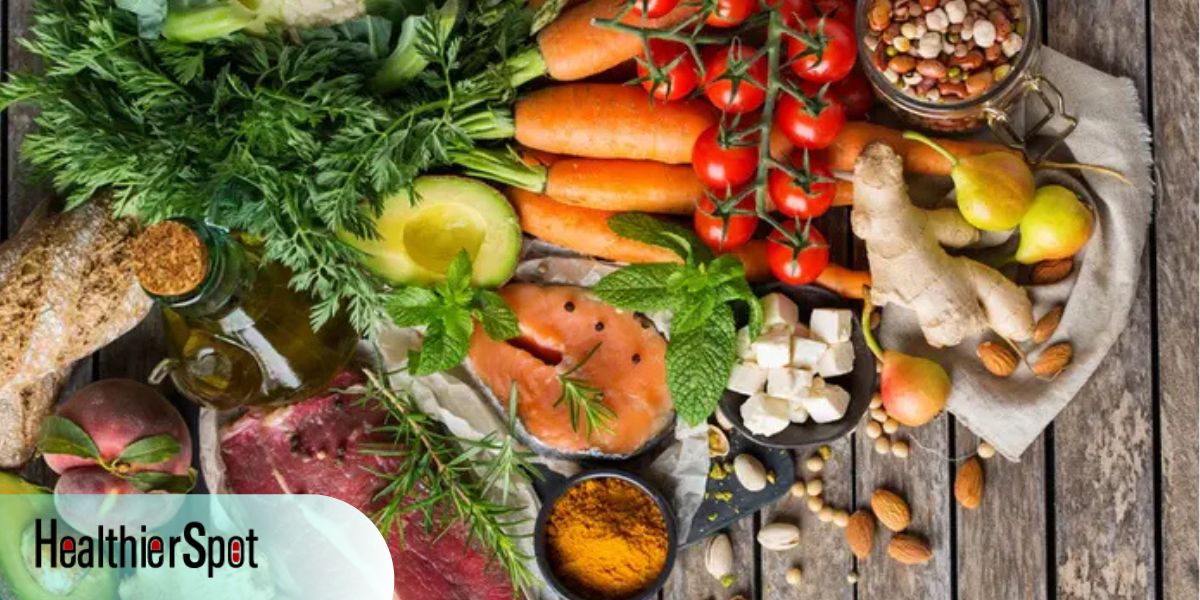
A healthy, balanced diet helps regulate blood sugar and hormone levels, which are often disrupted in PCOS. Key dietary tips include:
-
Low-Glycemic Foods: Choose whole grains, legumes, and non-starchy vegetables to maintain stable blood sugar levels.
-
Lean Proteins: Include fish, poultry, eggs, and plant-based proteins to support metabolism and satiety.
-
Healthy Fats: Avocados, nuts, seeds, and olive oil provide essential fatty acids that support hormone production.
-
Fiber-Rich Foods: Fruits, vegetables, and whole grains improve digestion and help balance insulin levels.
-
Limit Processed Foods and Sugar: Reducing refined carbs and sugary snacks helps manage insulin resistance and reduces inflammation.
Regular Physical Activity
Exercise is vital for managing PCOS. It helps regulate insulin, supports weight management, and improves mood. A combination of cardio, strength training, and flexibility exercises is ideal. Even moderate activities like brisk walking, cycling, or yoga can make a difference when done consistently.
Maintain a Healthy Weight
For women with PCOS, maintaining a healthy weight can improve hormone balance, regulate menstrual cycles, and reduce symptoms. Small, sustainable changes in diet and activity levels are more effective than extreme diets or rapid weight loss.
Manage Stress
Stress can worsen PCOS symptoms by impacting cortisol and other hormones. Incorporate stress management practices such as meditation, deep breathing, journaling, or spending time in nature. Regular mindfulness routines can reduce anxiety and improve overall well-being.
Prioritize Sleep
Adequate sleep supports hormonal regulation and insulin sensitivity. Aim for 7–9 hours of quality sleep each night. A consistent bedtime, a calming evening routine, and a screen-free environment can help improve sleep quality.
Support Gut Health
A healthy gut is important for hormone balance. Include probiotic-rich foods like yogurt or fermented vegetables and fiber-rich foods to support digestion. A balanced microbiome helps the body process hormones efficiently.
Consider Natural Supplements
Certain supplements, such as inositol, vitamin D, and omega-3 fatty acids, may help support hormonal balance in PCOS. Always consult a healthcare provider before starting any supplement regimen.
Stay Consistent
Consistency is key in managing PCOS. Small, regular habits in diet, exercise, sleep, and stress management often lead to the best long-term results. Quick fixes are rarely sustainable and can lead to frustration.
Living with PCOS requires a combination of medical care, lifestyle adjustments, and mindful nutrition. By focusing on balanced meals, regular physical activity, stress management, and adequate sleep, women can manage symptoms effectively and support long-term health. A thoughtful, consistent approach empowers women to feel in control of their wellness and improve overall quality of life.













Leave a comment