

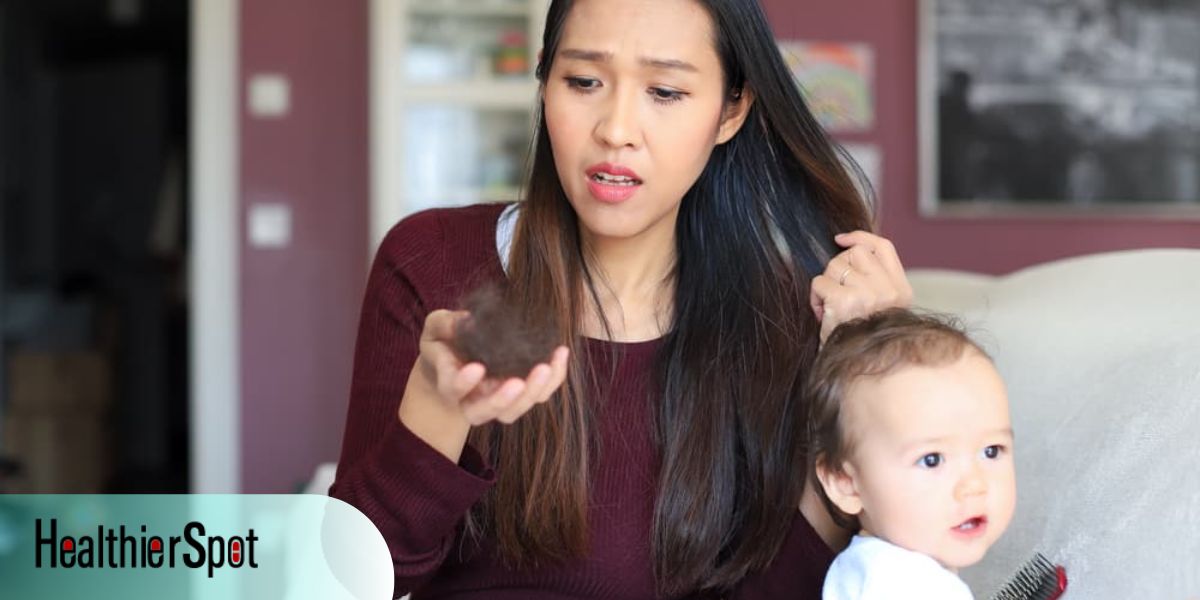
Are you finding more hair in your shower drain than on your head lately? You’re not alone. Postpartum hair loss affects countless new mothers, typically starting about three months after giving birth. During this time, you may lose significantly more than the normal 100 hairs per day that most people shed.
During pregnancy, elevated estrogen and progesterone levels extend your hair’s growth phase, giving you that enviable pregnancy glow and fuller hair. However, after childbirth, these hormone levels drop dramatically, triggering a condition called Telogen Effluvium where up to 50% of your hair can enter the shedding phase. This postpartum hair loss generally continues for 6-12 months after delivery, with shedding usually peaking around four months postpartum. The good news? This hair loss is temporary, and we have several safe remedies for breastfeeding moms that can help manage it while your hormones stabilize. Let’s explore how to stop postpartum hair loss with solutions that won’t compromise your breastfeeding journey.
What Causes Postpartum Hair Loss?
The drastic hair shedding many new mothers experience isn’t random – it’s a biological response to several distinct factors. Understanding these underlying causes can help manage expectations and guide appropriate remedies.
Hormonal changes after childbirth
The primary culprit behind postpartum hair loss is the rapid hormonal shift after delivery. Throughout pregnancy, elevated estrogen levels extend your hair’s growth cycle, preventing normal shedding and creating that enviable pregnancy fullness. After giving birth, estrogen levels plummet dramatically, forcing many hair follicles into the resting phase simultaneously.
This condition, known as telogen effluvium, can affect up to 50% of your hair. Rather than losing the typical 15% of hairs in the shedding phase, the postpartum hormonal withdrawal pushes a much larger percentage into the telogen phase all at once. Consequently, what appears as sudden hair loss is actually your body returning to its pre-pregnancy state.
Stress and nutrient depletion
Beyond hormones, the physical trauma of childbirth coupled with the emotional demands of caring for a newborn creates significant stress on your body. This stress raises cortisol levels, which can block important nutrient absorption and further contribute to hair shedding.
Additionally, nutritional deficiencies play a substantial role in prolonged hair loss, especially for breastfeeding mothers. When breastfeeding, your body prioritizes nutrient delivery for milk production, which may leave fewer resources for hair growth. Specifically, deficiencies in:
- Iron (particularly common postpartum due to blood loss)
- Zinc and copper
- B-complex vitamins
- Vitamin D
These deficiencies can intensify shedding and delay regrowth.
Thyroid and iron imbalances
Postpartum thyroid issues affect many new mothers and frequently go undiagnosed. Both hypothyroidism and hyperthyroidism can trigger excessive hair shedding through different mechanisms.
Hypothyroidism disrupts the hair growth cycle by inhibiting cell division, resulting in more hairs entering the resting phase. Meanwhile, hyperthyroidism’s accelerated metabolism diverts energy away from hair follicles. Furthermore, if you experience continued excessive shedding beyond one year postpartum, thyroid dysfunction may be the culprit.
Iron deficiency, common after childbirth due to blood loss and increased demands from breastfeeding, remains another significant contributor to ongoing hair loss. Since iron is essential for healthy hair growth, addressing this deficiency often becomes a crucial step in recovery.
When Does Postpartum Hair Loss Start and Stop?
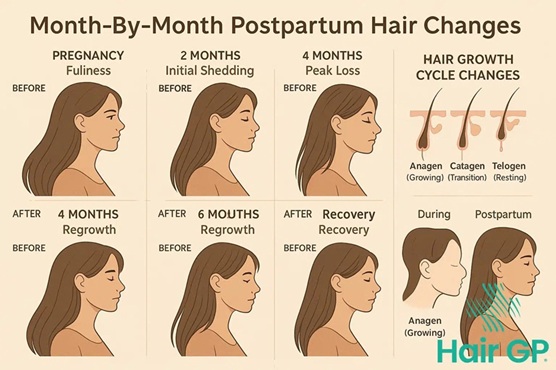
The postpartum hair loss journey follows a predictable pattern for most new mothers. Understanding this timeline can help you navigate this challenging phase with confidence and patience.
Typical timeline after delivery
Unlike the immediate physical changes after childbirth, postpartum hair loss doesn’t begin right away. Initially, you might still enjoy those thick, lustrous pregnancy locks for a little longer. Most women begin noticing increased shedding between 2 to 4 months after giving birth. This timing coincides perfectly with when your hormone levels start normalizing after pregnancy. For many mothers, the first sign appears during routine hair care—you’ll likely spot more hair in your brush, shower drain, or on your pillow.
How long does postpartum hair loss last?
Following the onset of shedding, postpartum hair loss typically continues for about 3 to 6 months. Throughout this period, losing 100-300 hairs daily is considered normal. The intensity of hair shedding often reaches its peak between months 3 and 6 postpartum. According to research, the average timeline shows hair loss peaking around 5.1 months after delivery.
Undoubtedly, this phase can be distressing, especially as you adjust to other postpartum changes. Nevertheless, remember that approximately 90% of new mothers experience this temporary shedding. Your body is simply readjusting to non-pregnancy hormone levels.
When to expect regrowth
Fortunately, as the excessive shedding begins to slow down, new hair starts growing simultaneously. Most women notice significant improvement in hair density by the time their baby celebrates their first birthday. The complete recovery process typically spans 12-18 months postpartum.
The first signs of regrowth often appear as delicate baby hairs along your hairline and crown areas. By months 10-12, many mothers enter a recovery phase where improvements become more noticeable. Though the timing varies slightly between individuals, rest assured that by your baby’s first birthday, your hair should substantially return to its pre-pregnancy state.
If you’re breastfeeding, be aware that your hair may take slightly longer to recover as your hormone levels adjust more gradually. Moreover, if shedding continues beyond 12 months postpartum, consulting with a healthcare provider is advisable to rule out other potential causes like thyroid imbalances or nutritional deficiencies.
Safe Remedies for Breastfeeding Moms
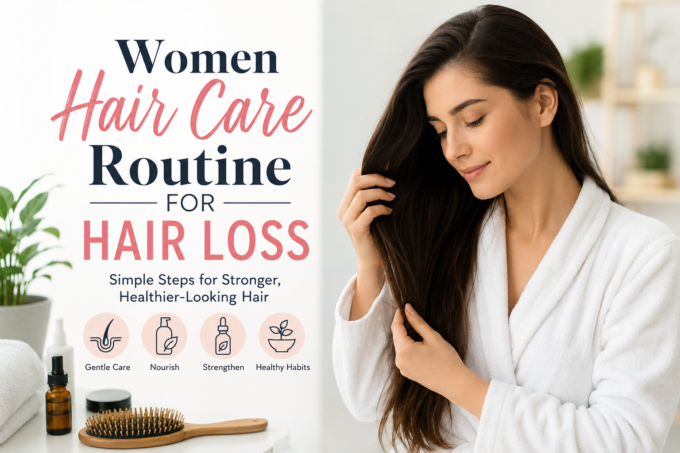
Dealing with thinning hair while breastfeeding requires a careful approach, as many conventional hair loss treatments aren’t compatible with nursing. Fortunately, several safe, effective strategies can help manage postpartum shedding without compromising your breastfeeding journey.
Gentle hair care routines
Begin with upgrading your hair care basics. Choose sulfate-free shampoos and conditioners specifically designed to reduce breakage. Wash your hair every 2-3 days rather than daily to prevent stripping natural oils. Be exceptionally gentle when detangling – always start from the ends and work upward using a wide-tooth comb, primarily before showering when hair is dry. Firstly, focus on treating your strands with the same care you give your baby – patiently and delicately.
Scalp massage with natural oils
Regular scalp massages improve blood circulation to hair follicles, encouraging growth. Spend five minutes daily using your fingertips in small circular motions across your scalp. Alternatively, try a specialized scalp brush during shampooing. For enhanced benefits, incorporate natural oils like coconut or argan oil, which are completely safe while breastfeeding. These oils nourish the scalp and strengthen hair roots without affecting breast milk quality.
Using volumizing shampoos
Volumizing products can create immediate visual improvements while waiting for regrowth. Look for shampoos containing ingredients like collagen, biotin, or keratin that add body without weighing hair down. Apply conditioner only to mid-lengths and ends, never directly on the scalp, as this can make fine hair appear limper. Presently, many brands offer volumizing formulas specifically designed for postpartum needs.
Avoiding heat and tight hairstyles
Heat styling causes additional stress on already fragile strands. Whenever possible, air-dry your hair instead of blow-drying. Replace tight ponytails, buns, and braids with looser styles secured using soft scrunchies rather than elastic bands. These tight styles pull on roots, potentially causing traction alopecia alongside hormonal shedding. Sleep on silk or satin pillowcases to reduce friction and breakage overnight.
Haircuts that reduce visible thinning
Strategic haircuts can immediately transform thinning hair. Shorter, layered cuts create the appearance of fuller locks and are typically easier to manage with a newborn. Consider blunt cuts at shoulder length for instant volume boost. Thick bangs or curtain fringe styles effectively camouflage thinning around the hairline, where postpartum regrowth often appears spiky. Consulting with a stylist experienced in postpartum hair challenges helps identify the most flattering option for your face shape and hair texture.
Diet and Supplements to Support Hair Regrowth
Proper nutrition plays a vital role in combating postpartum hair loss. Essentially, what you eat directly impacts how quickly your hair recovers after childbirth, primarily when breastfeeding depletes your nutrient reserves.
Foods rich in iron, zinc, and protein
Rebuilding your hair starts with addressing nutrient gaps. Iron deficiency, common in new mothers who experienced significant blood loss during delivery, directly contributes to excessive shedding. Red meat serves as one of the richest iron sources, alongside lentils and chickpeas. Likewise, zinc supports hair follicle function and prevents premature shedding—find it abundantly in shellfish, pumpkin seeds, and beef. As hair follicles consist mostly of protein, consuming eggs, lean meats, and legumes provides the building blocks for new growth.
Brewer’s yeast and B-complex vitamins
Brewer’s yeast stands out as an ideal supplement for nursing mothers. Rich in B-complex vitamins, selenium, and zinc, it strengthens hair fibers while naturally supporting lactation. Notably, it contains biotin (vitamin B8), crucial for keratin production. Regular consumption for at least 2-3 months shows significant improvement in hair growth cycles.
Omega-3s and collagen-rich foods
Fatty fish like salmon and mackerel provide omega-3 fatty acids that support hair strength and density. Clinical studies demonstrate that omega-3 supplementation helps slow hair loss. Additionally, collagen-rich foods strengthen the hair shaft and reduce breakage—find it in bone broth, fish, and egg whites.
Safe supplements for breastfeeding moms
OBGYN-formulated supplements specifically designed for postpartum women safely address nutrient deficiencies without affecting milk quality. Look for options containing iron, B-vitamins, DHA omega-3s, and marine collagen. Clinical studies show 91% of users experienced reduced hair shedding after just two months of consistent supplementation.
Postpartum hair loss remedies for breastfeeding moms. Therefore, understanding this natural process helps reduce anxiety while you navigate this temporary condition. Your body undergoes remarkable changes after childbirth, and hair shedding simply reflects your hormones returning to their pre-pregnancy state. Most importantly, this condition resolves itself with time.
The remedies we’ve explored offer practical solutions that work alongside your body’s natural recovery. Gentle hair care routines, strategic haircuts, and scalp massages provide immediate relief without compromising your breastfeeding journey. Additionally, nourishing your body with iron-rich foods, omega-3s, and appropriate supplements creates an internal environment conducive to hair regrowth.
Remember that patience remains your greatest ally during this process. Hair typically begins significant regrowth around 6-12 months postpartum, though breastfeeding mothers might experience a slightly extended timeline. Meanwhile, focusing on overall wellness through proper nutrition and stress management benefits both you and your baby.
We hope these safe, effective strategies help you feel more confident during this transition. After all, postpartum hair loss affects nearly all new mothers – you stand among millions who have successfully navigated this journey. Though challenging, this phase will pass, and your hair will recover as you continue embracing the joys and challenges of motherhood.
Key Takeaways
Postpartum hair loss is a temporary condition affecting up to 90% of new mothers, caused by hormonal changes that typically resolve within 12-18 months.
- Hair loss usually begins 2-4 months after delivery and peaks around month 5, with recovery starting by baby’s first birthday • Gentle hair care routines with sulfate-free products and avoiding heat styling prevent additional damage during the shedding phase • Strategic shorter haircuts with layers and bangs can immediately create the appearance of fuller hair while waiting for regrowth • Iron-rich foods, omega-3s, and breastfeeding-safe supplements support hair recovery without affecting milk quality • Daily scalp massage with natural oils like coconut or argan oil improves circulation and strengthens hair follicles safely
The key to managing postpartum hair loss lies in patience and gentle care. While this phase can be distressing, remember that your body is simply readjusting to non-pregnancy hormone levels. By combining proper nutrition, gentle hair care practices, and strategic styling, you can minimize the visual impact while supporting your hair’s natural recovery process.
FAQs
Q1. Is there a way to prevent postpartum hair loss while breastfeeding? While postpartum hair loss can’t be entirely prevented, you can support hair health by maintaining a nutritious diet rich in iron, zinc, and protein. Taking breastfeeding-safe supplements like prenatal vitamins or those specifically formulated for postpartum hair loss may also help.
Q2. When does postpartum hair loss typically start and end? Postpartum hair loss usually begins 2-4 months after delivery, peaking around 5 months postpartum. Most women see significant improvement by their baby’s first birthday, with full recovery typically occurring within 12-18 months after giving birth.
Q3. Are there safe hair treatments for breastfeeding mothers? Yes, there are safe options for breastfeeding mothers. Gentle hair care routines using sulfate-free products, scalp massages with natural oils like coconut or argan oil, and volumizing shampoos are all safe and can help manage postpartum hair loss without affecting breast milk.
Q4. Can changing my hairstyle help with postpartum hair loss? Absolutely. Opting for shorter, layered cuts can create the appearance of fuller hair. Avoiding tight hairstyles and heat styling can prevent further damage. Some mothers find that strategic haircuts with bangs or fringe effectively camouflage thinning areas, especially around the hairline.
Q5. What dietary changes can support hair regrowth after pregnancy? Focusing on foods rich in iron, zinc, and protein can support hair regrowth. Incorporate fatty fish for omega-3s, eggs and lean meats for protein, and lentils for iron. Brewer’s yeast, known for its B-vitamins, can be particularly beneficial. Always consult with your healthcare provider before making significant dietary changes while breastfeeding.










Leave a comment