


Signs of infertility in teenage girls aren’t commonly discussed, yet infertility affects approximately 1 in 8 people in the United States. While we often think of infertility as an adult concern, certain indicators can appear much earlier in life, during the teenage years.
In fact, many parents are surprised to learn that early signs of infertility can manifest during adolescence, although they’re frequently mistaken for normal developmental changes. Despite the prevalence of infertility—affecting 12 to 15% of people overall—many families don’t know what to watch for in their teenagers. One question we frequently encounter is whether someone can be infertile and still have periods, which highlights the confusion surrounding signs of female fertility.
For parents concerned about their daughter’s reproductive health, understanding these early warning signs is crucial. If you’ve noticed unusual symptoms in your teenage daughter, this guide will help you recognize potential indicators of fertility issues, understand their possible causes, and know when to seek professional guidance. Early detection can make a significant difference, especially considering that couples aged 35 and older are advised to undergo fertility evaluations after just six months of unsuccessful conception attempts.
Understanding Fertility in Teenage Girls
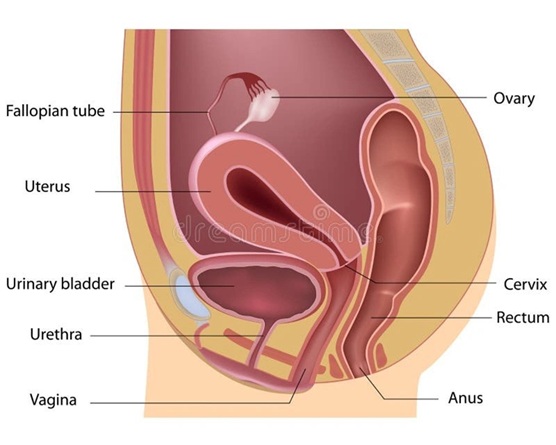
Image Source: Dreamstime.com
Understanding Fertility in Teenage Girls
Fertility concerns might seem premature for teenage girls, yet certain reproductive health issues can emerge surprisingly early in life. Understanding the basics of fertility can help parents identify potential problems before they become more serious.
What is infertility and how early can it start?
Infertility is medically defined as the inability to conceive after one year of regular unprotected sexual intercourse. For women over 35, this timeline shortens to six months. Contrary to common belief, fertility issues can begin developing during adolescence, even though they may not be diagnosed until adulthood.
Several conditions that affect fertility can start during teenage years, including:
- Polycystic ovary syndrome (PCOS) – the most common cause of female infertility
- Hormonal imbalances affecting ovulation
- Endometriosis
- Untreated infections that could damage reproductive organs
Can you be infertile and still have periods?
Yes, absolutely. Having regular periods suggests ovulation is occurring, yet it doesn’t guarantee fertility. Many women experience monthly menstruation yet struggle with conception due to other issues.
According to reproductive health experts, the success rate for conception is approximately 30% for women with regular periods but decreases significantly if cycles are irregular by ten or more days. Numerous factors can interfere with fertility without stopping periods, including:
- Blocked fallopian tubes
- Poor egg quality
- Problems with egg fertilization or implantation
- Underlying health conditions like diabetes or thyroid disorders
Why early detection matters
Identifying potential fertility issues during adolescence provides significant advantages. First, many reproductive health problems are progressive – meaning they worsen over time without intervention. Additionally, addressing health concerns that might affect fertility early in reproductive years leads to better outcomes.
For teenage girls experiencing symptoms, early medical evaluation can:
- Prevent worsening of conditions like endometriosis or PCOS
- Address hormonal imbalances before they cause long-term damage
- Preserve future fertility options
- Reduce stress and anxiety about reproductive health
Furthermore, fertility awareness counseling encourages treatment of gynecologic issues before conception, subsequently improving perinatal outcomes when pregnancy is eventually desired. Since approximately 11% of young women aged 15-24 already experience impaired fecundity, recognizing warning signs early becomes even more crucial.
Early Signs of Infertility in Teenage Girls
Recognizing potential fertility issues during adolescence requires attention to certain physical symptoms that might otherwise be dismissed as normal teenage development. These warning signs often appear years before a young woman might consider starting a family.
Irregular or absent periods
The most common sign of potential fertility problems is irregular or completely absent menstruation. When a teenager’s cycle consistently exceeds 35 days or is shorter than 21 days, it often indicates she’s not ovulating properly. Moreover, if your daughter hasn’t started menstruating by age 15, medical evaluation is recommended. Remember that a teen can experience fertility issues even with regular periods.
Severe acne or skin changes
Sudden development of severe acne might signal hormonal imbalances affecting fertility. This is often connected to polycystic ovary syndrome (PCOS), which affects approximately 10% of females and is the third leading cause of gynecologic hospitalization. Notably, women with severe teenage acne showed a 20% increased risk of endometriosis later in life.
Unusual hair growth or hair loss
Excess facial or body hair growth (hirsutism) affects up to 70% of people with PCOS. Conversely, thinning hair or patchy hair loss might also indicate hormonal issues. These symptoms typically appear alongside other signs like acne and irregular periods.
Unexplained weight changes
Rapid weight gain without changes in diet or activity level could indicate hormonal conditions like PCOS, thyroid disorders, or insulin resistance. Between 40% and 80% of people with PCOS struggle with maintaining healthy weight.
Pain during menstruation or sex
Approximately 70-90% of teenagers experience period pain, yet when it’s severe enough to regularly miss school (affecting 20-30% of teens), it warrants investigation. Similarly, painful intercourse (dyspareunia) affects about 20% of sexually active girls and may indicate conditions like endometriosis.
Milky nipple discharge (galactorrhea)
Galactorrhea—milk production unrelated to pregnancy—can occur in teenage girls and often indicates elevated prolactin levels. This hormone imbalance can interfere with normal ovulation. The discharge may leak spontaneously or when the breast is touched.
Common Causes of Infertility in Teens
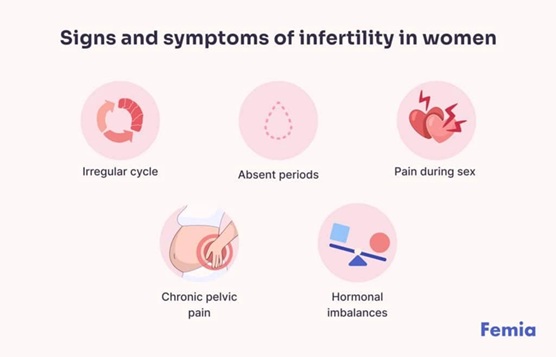
Image Source: Femia
Common Causes of Infertility in Teens
Several underlying health conditions can affect fertility in teenage girls, often beginning years before they consider starting families.
Polycystic ovary syndrome (PCOS)
PCOS affects approximately 7% of women of reproductive age, making it among the most common causes of fertility problems. This complex endocrine disorder creates oversized, dysfunctional follicles that impair normal ovulation. The biggest risk factor for PCOS is being overweight, particularly with abdominal fat distribution. PCOS tends to run in families, suggesting genetic predisposition. Consequently, girls whose mothers have insulin resistance or diabetes face increased risk.
Endometriosis and pelvic disorders
Endometriosis affects 5-10% of females and is characterized by inflammation of endometrial tissue outside the uterus. Remarkably, adolescents whose first-degree relatives have endometriosis face five to eight times higher risk of developing this condition. At least two-thirds of adolescent girls with chronic pelvic pain unresponsive to standard treatments are diagnosed with endometriosis during diagnostic laparoscopy.
Thyroid and hormonal imbalances
Hypothyroidism (underactive thyroid) interferes with ovulation and fertility. This condition develops when the thyroid doesn’t produce enough hormones to maintain normal body function. Hence, teens with persistent fatigue, menstrual irregularities, or unexplained weight gain may have underlying thyroid issues affecting their fertility.
Untreated STIs and infections
Sexually transmitted infections remain a primary cause of preventable infertility. Indeed, chlamydia and gonorrhea bacteria can spread from the vagina to the fallopian tubes, causing scarring. One in eight women with a history of pelvic inflammatory disease (PID) experiences difficulties getting pregnant. PID annually affects an estimated 90,000 women under 25 in the United States.
Genetic or developmental conditions
Certain genetic disorders directly impact fertility. For instance, females with Turner syndrome (missing one X chromosome) are typically infertile. Initially, many genetic conditions show subtle symptoms during adolescence but significantly affect reproductive capacity later in life.
When and How to Seek Medical
Knowing the right time to consult a doctor about possible fertility issues can make a significant difference in your daughter’s reproductive health. Parents should prioritize medical evaluation whenever their teenage daughter experiences persistent menstrual irregularities or concerning symptoms.
For teenagers with irregular cycles, pain severe enough to miss school, unusual hair growth patterns, or unexplained weight changes, prompt medical attention is recommended rather than waiting. Girls experiencing milky nipple discharge (galactorrhea) should see a doctor immediately, as this often indicates elevated prolactin levels that can interfere with normal ovulation.
Most fertility evaluations begin with a primary care provider or gynecologist, who might then refer to specialists like reproductive endocrinologists for complex cases. Under CDHP or other insurance, comprehensive services are available to girls aged 11 and up, conducted in a sensitive and confidential manner.
The initial appointment typically includes a detailed medical history, physical examination, and questions about menstrual patterns. Your doctor may order blood tests to measure hormone levels such as LH, FSH, progesterone, or thyroid hormones. A pelvic ultrasound might be recommended to evaluate the size and structure of the uterus and ovaries.
Remember – receiving early treatment for conditions like PCOS or endometriosis prevents worsening of symptoms and preserves future fertility options. Many serious fertility conditions start in adolescence yet remain undiagnosed for years without proper medical attention.
Understanding early fertility warning signs in teenage girls empowers parents to seek timely medical intervention and preserve their daughter’s reproductive health for the future.
- Irregular periods aren’t just “teenage phases” – cycles longer than 35 days or shorter than 21 days often indicate ovulation problems requiring medical evaluation.
- You can be infertile and still have regular periods – blocked tubes, poor egg quality, and hormonal issues can affect fertility without stopping menstruation.
- Severe acne, unusual hair growth, and unexplained weight changes signal potential PCOS or hormonal imbalances that affect 10% of females and cause fertility issues.
- Severe menstrual pain affecting school attendance warrants immediate medical attention, as 70-90% of teens with chronic pelvic pain may have underlying endometriosis.
- Early detection and treatment prevent worsening – addressing conditions like PCOS, endometriosis, and thyroid disorders during adolescence preserves future fertility options and improves outcomes.
Many fertility-affecting conditions begin during teenage years but remain undiagnosed without proper medical attention. Parents should trust their instincts and seek professional evaluation when concerning symptoms persist, as timely intervention can make a significant difference in their daughter’s reproductive future.
FAQs
Q1. What are some early signs of potential fertility issues in teenage girls? Early signs may include irregular or absent periods, severe acne, unusual hair growth or loss, unexplained weight changes, and pain during menstruation or intercourse. These symptoms could indicate underlying conditions affecting fertility.
Q2. Can a teenage girl be infertile even if she has regular periods? Yes, it’s possible. Regular periods suggest ovulation is occurring, but other factors like blocked fallopian tubes, poor egg quality, or problems with fertilization can still affect fertility without disrupting menstruation.
Q3. At what age should parents consider seeking medical evaluation for their daughter’s reproductive health? Parents should seek medical evaluation if their daughter hasn’t started menstruating by age 15, or if she experiences persistent menstrual irregularities, severe pain, or other concerning symptoms at any age during adolescence.
Q4. What are some common causes of infertility in teenage girls? Common causes include polycystic ovary syndrome (PCOS), endometriosis, thyroid disorders, hormonal imbalances, untreated sexually transmitted infections, and certain genetic or developmental conditions.
Q5. How is fertility evaluated in teenage girls? Fertility evaluation typically begins with a detailed medical history and physical examination. It may include blood tests to measure hormone levels and a pelvic ultrasound to assess the structure of the reproductive organs. The process is conducted sensitively and confidentially.













Leave a comment