


When men think about health, the focus is often on common conditions such as heart disease, diabetes, or high blood pressure. However, there are many uncommon and rare health problems in men that receive far less attention. These conditions are often misunderstood, overlooked, or diagnosed late because symptoms appear mild or unusual at first.
Raising awareness about these lesser known health issues is essential. Early recognition can lead to timely treatment, better quality of life, and in some cases, life saving intervention.
Why Rare Health Problems in Men Often Go Undiagnosed
Many men delay visiting a doctor until symptoms become severe. Cultural expectations, fear of appearing weak, and busy lifestyles all play a role. In addition, rare health conditions may not present clear warning signs, making diagnosis more challenging.
As a result, men may live with underlying health problems for years without realizing the cause of their symptoms.
Klinefelter Syndrome
Klinefelter syndrome is a rare genetic condition that affects males who are born with an extra X chromosome. This condition often goes unnoticed until adulthood.
Men with Klinefelter syndrome may experience low testosterone levels, reduced muscle mass, fatigue, infertility, and difficulty concentrating. Because these symptoms develop gradually, many men assume they are part of normal aging rather than a medical condition.
With proper diagnosis and hormone therapy, many symptoms can be effectively managed.
Male Breast Cancer
Breast cancer is commonly associated with women, but men can develop it as well. Male breast cancer is rare, which often leads to delayed diagnosis.
Early signs may include a lump near the nipple, changes in skin texture, nipple discharge, or swelling. Since many men are unaware that breast cancer can affect them, these symptoms are frequently ignored.
Awareness and early screening greatly improve treatment outcomes.
Peyronie’s Disease
Peyronie’s disease is an uncommon condition that affects the connective tissue of the penis. It causes abnormal curvature during erections, which may lead to pain and sexual dysfunction.
Men with this condition often experience emotional distress and relationship difficulties. Many avoid seeking medical advice due to embarrassment, allowing the condition to worsen over time.
Early medical evaluation can help reduce symptoms and improve quality of life.
Brugada Syndrome
Brugada syndrome is a rare inherited heart rhythm disorder that primarily affects men. It can cause irregular heartbeats and increases the risk of sudden cardiac arrest, even in individuals who appear healthy.
Symptoms may include fainting, dizziness, or seizure like episodes, especially during sleep. In some cases, the first sign of the condition can be life threatening.
Early detection through heart testing can prevent serious complications.
Clinical Hypogonadism
Hypogonadism is a condition in which the body produces insufficient testosterone. While mild testosterone decline is common with age, clinical hypogonadism is more serious and often overlooked.
Men may experience low energy, decreased libido, mood changes, loss of muscle mass, and increased body fat. These symptoms are frequently misattributed to stress or aging.
Blood testing and medical treatment can help restore hormonal balance and overall well being.
Testicular Lymphoma
Testicular lymphoma is a rare form of cancer that typically affects older men. Unlike common testicular cancer, it often presents without pain.
Men may notice swelling, a feeling of heaviness, or unexplained fatigue. Because symptoms can seem minor, diagnosis is often delayed.
Prompt medical evaluation improves treatment success and long term outcomes.
Ankylosing Spondylitis
Ankylosing spondylitis is a rare inflammatory disease that affects the spine and joints. It is more aggressive in men and often misdiagnosed as routine back pain.
Early symptoms include stiffness in the lower back, pain that improves with movement, and fatigue. Without treatment, the condition can lead to reduced mobility and chronic pain.
Early diagnosis allows for better symptom control and improved mobility.
Fabry Disease
Fabry disease is a rare inherited metabolic disorder that affects how the body processes fats. Men often experience more severe symptoms than women.
Common signs include burning pain in the hands and feet, skin rashes, kidney issues, and heart complications. Because symptoms affect multiple systems, diagnosis is often delayed.
Early treatment can slow disease progression and prevent organ damage.
Atypical Depression in Men
Depression in men does not always present as sadness or withdrawal. Instead, it may appear as irritability, anger, risk taking behavior, or physical pain without a clear cause.
These atypical symptoms are often misunderstood or dismissed, leading to underdiagnosis and lack of treatment.
Recognizing these signs is essential for improving mental health outcomes in men.
When Men Should Seek Medical Advice
Men should consult a healthcare professional if they experience persistent fatigue, unexplained pain, hormonal or sexual changes, mood shifts, or unusual physical symptoms. A family history of rare diseases also increases the importance of early screening.
Ignoring symptoms does not make them disappear. Early medical attention can prevent complications and improve long term health.
The Importance of Awareness and Prevention
Uncommon and rare health problems in men may not be widely discussed, but they are more common than many realize. Increased awareness encourages early diagnosis, reduces stigma, and promotes healthier habits.
Men who take a proactive approach to their health are more likely to catch problems early and maintain a higher quality of life.
Frequently Asked Questions
What are some commonly overlooked health problems in men
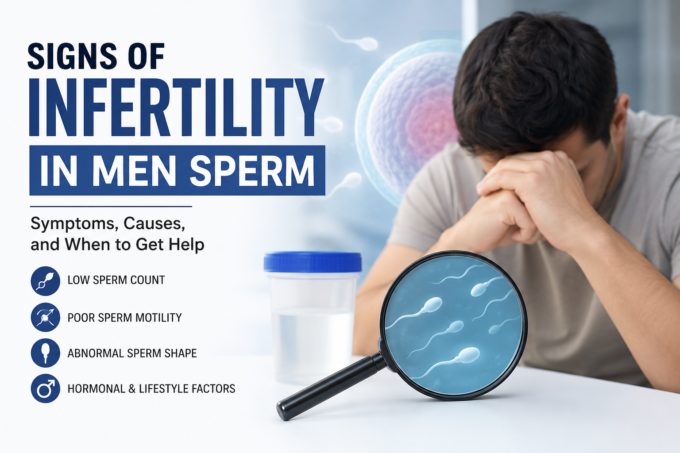
Hormonal disorders, rare heart rhythm conditions, male infertility issues, and atypical depression are often missed.
Are rare health conditions in men treatable
Many rare conditions can be managed successfully with early diagnosis and proper medical care.
Why do men delay seeking medical help
Social expectations, lack of awareness, fear of diagnosis, and busy lifestyles are common reasons.
Final Thoughts
Uncommon and rare health problems in men deserve more attention than they currently receive. Understanding early warning signs and seeking medical advice without delay can make a significant difference. Men’s health is not just about treating illness, but about prevention, awareness, and informed decision making.















Leave a comment