

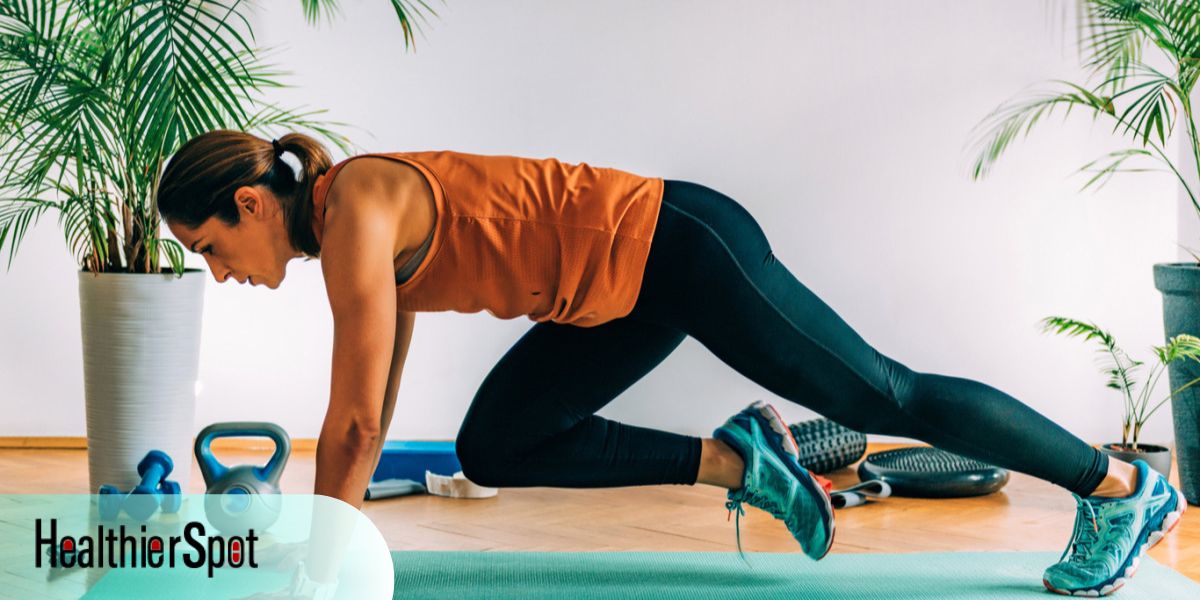
High Intensity Interval Training, better known as HIIT, has become one of the most popular ways to exercise — and for good reason. It’s fast, effective, and doesn’t require any special equipment. Whether your goal is to lose weight, boost endurance, or get stronger, HIIT is a great place to start. If you’ve never tried it before, this guide will help you understand what HIIT is, how it works, and how to ease into it safely.
What Exactly Is HIIT?
HIIT is a type of workout where you alternate between short periods of high effort and brief periods of rest or low intensity movement. For example, you might do jumping jacks for thirty seconds, rest for fifteen seconds, then move to another exercise. This pattern boosts your heart rate quickly and burns a lot of calories in a short amount of time.
The best part is that HIIT feels flexible. You can choose bodyweight exercises, jogging intervals, cycling, or even simple movements like fast walking mixed with slow walking. The intensity is based on your fitness level, not someone else’s.
Why HIIT Is So Effective
HIIT works because it pushes your body hard for a short period of time, which increases your heart rate and oxygen demand. This leads to something called the afterburn effect. After a HIIT workout, your body continues to burn calories even while resting as it tries to recover.
HIIT also builds cardio fitness, strengthens muscles, and boosts metabolism. Since the workouts are short, they’re easy to fit into busy schedules. Many people see results faster with HIIT than traditional long cardio sessions.
How Long Should Your HIIT Session Be?
Beginners don’t need long workouts. A good session can last ten to fifteen minutes. Once you get comfortable, you can increase it to twenty minutes. Anything beyond that usually becomes too intense for most people.
Remember, the goal is quality, not duration. A short session where you give solid effort is more effective than a long workout done halfheartedly.
Start With Simple Movements
When you’re new to HIIT, keep the exercises simple. Choose movements you already know and feel confident doing. Here are a few great beginner-friendly options:
Marching in place
Jumping jacks
High knees
Bodyweight squats
Lunges
Mountain climbers
Standing knee lifts
Step-back lunges
Modified pushups
These exercises warm up your whole body and get your heart rate up without putting too much stress on your joints.
Try This Beginner-Friendly HIIT Routine
Here’s a simple routine anyone can follow at home. No equipment needed.
Warm-up for one minute by marching in place or lightly jogging.
Thirty seconds of jumping jacks
Fifteen seconds of rest
Thirty seconds of squats
Fifteen seconds of rest
Thirty seconds of high knees
Fifteen seconds of rest
Thirty seconds of mountain climbers
Fifteen seconds of rest
Repeat this circuit two or three times depending on your energy level.
This routine targets your legs, core, and cardio system without overwhelming you. As you get stronger, increase the working time, reduce the rest, or add more rounds.
Pay Attention to Your Form
Since HIIT is fast-paced, beginners sometimes rush through movements and end up using poor form. This reduces effectiveness and increases the risk of injury. Good form always matters more than speed.
Move with control
Land softly during jumps
Keep your core engaged
Breathe steadily
Stop if something feels painful
Proper form helps you perform better and feel stronger with each session.
How Often Should Beginners Do HIIT?
Start with two to three sessions per week. Since HIIT is intense, your muscles need time to recover. Doing it every single day can lead to burnout or soreness that interrupts your routine.
On rest days, do light activities like walking, stretching, or yoga. This keeps your body active without adding stress.
Listen to Your Body
HIIT is intense by design, but it should never feel unsafe. If you feel dizzy, extremely out of breath, or uncomfortable in a way that doesn’t feel normal, slow down or rest. Over time, you will naturally get stronger and more confident.
It’s also completely normal to modify exercises. For example, if jumping jacks feel too tough, step side-to-side instead. If high knees feel too fast, lift your knees slowly. There is no wrong version as long as you’re moving.
Fuel Your Body Properly
Since HIIT burns energy quickly, your body needs proper fuel. Eat a light snack or small meal before your workout, especially if you’re doing HIIT in the morning. A banana, yogurt, or a piece of toast with peanut butter works well.
After your workout, drink water and have a balanced meal with protein and carbs to help your muscles recover.
Track Your Progress
The best way to stay motivated with HIIT is to track how much you’re improving. Notice if:
Your rest breaks feel easier
You can complete more rounds
Your breathing recovers faster
You feel stronger during movements
Your body feels more energized
Small wins like these show that your fitness is improving even before physical changes appear.
HIIT is one of the most effective and time-efficient workouts you can do as a beginner. It doesn’t require equipment, it challenges your whole body, and it delivers noticeable results when done consistently. Start slow, choose simple movements, and focus on good form. As your strength and confidence grow, you can increase intensity and try more advanced routines. With just a few sessions a week, HIIT can help you feel fitter, stronger, and more energized in your daily life.
















Leave a comment