

A bright, white smile is something many of us want, but with hundreds of products promising instant results, it’s hard to know which teeth whitening products actually work and which are just clever marketing. From whitening strips to toothpaste, gels, and LED kits, the options can feel overwhelming.
This guide cuts through the noise. We’ll break down what truly works, what doesn’t, and how to choose the best whitening solution for your teeth—without damaging your enamel or wasting your money.
Why Do Teeth Become Yellow in the First Place?
Before choosing a whitening product, it helps to understand why teeth discolor over time.
Common causes of yellow or stained teeth include:
- Coffee, tea, red wine, and soda
- Smoking or tobacco use
- Poor oral hygiene
- Aging (enamel naturally thins over time)
- Certain medications
- Genetics
Most whitening products work by removing surface stains or lightening the natural color of the enamel.
How Teeth Whitening Products Work
Teeth whitening products usually contain bleaching agents like:
- Hydrogen peroxide
- Carbamide peroxide
These ingredients penetrate the enamel and break down stain molecules, making teeth appear whiter. The effectiveness depends on:
- Strength of the active ingredient
- How long the product stays on your teeth
- Consistency of use
Teeth Whitening Products That Actually Work
Let’s look at the options that truly deliver visible results.
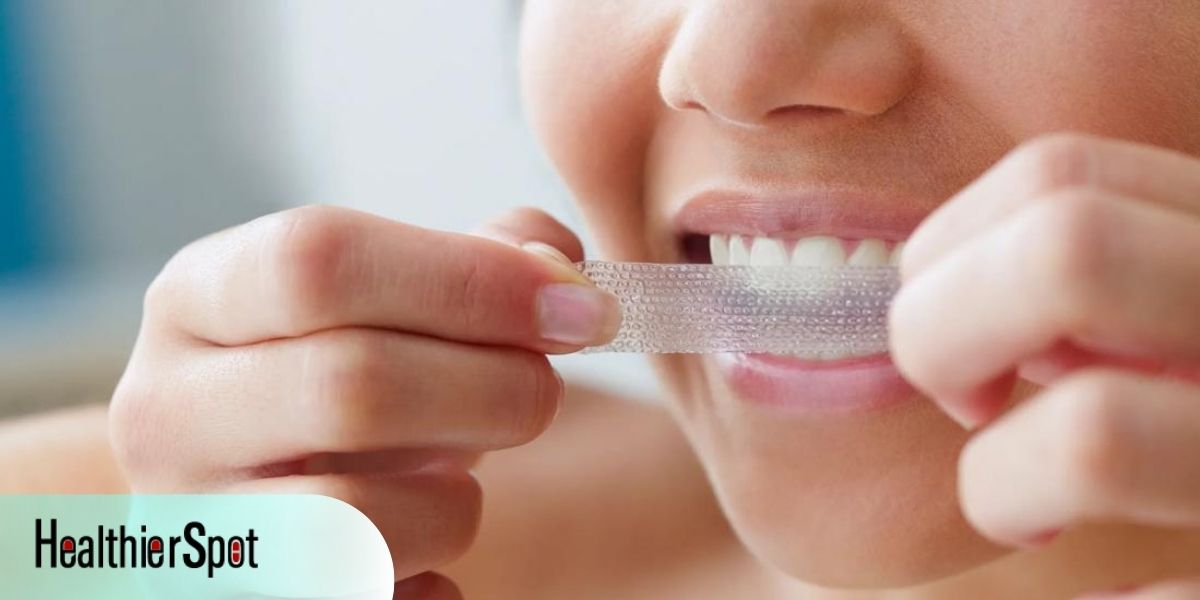
- Whitening Strips (Proven and Effective)
Whitening strips are one of the most effective over-the-counter solutions.
Why they work:
- Contain peroxide-based bleaching agents
- Stick directly to teeth for even coverage
- Show results in 7–14 days
Best for:
Mild to moderate stains from coffee, tea, or smoking
Pros:
- Affordable
- Easy to use
- Clinically proven
Cons:
- Can cause temporary tooth sensitivity
- May not reach between teeth perfectly
- Teeth Whitening Gels and Pens
Whitening gels and pens are popular for their convenience and precision.
Why they work:
- Use concentrated peroxide formulas
- Allow targeted application on stained areas
Best for:
Spot treatment and maintenance whitening
Pros:
- Portable
- Fast application
- Good for touch-ups
Cons:
- Results are slower than strips
- Requires consistent use
- LED Teeth Whitening Kits (When Used Correctly)
LED whitening kits combine gel with a blue LED light.
Do they actually work?
Yes—but the gel does the whitening, not the light itself. The LED light simply speeds up the chemical reaction.
Best for:
People who want faster results at home
Pros:
- Noticeable whitening in 1–2 weeks
- More powerful than strips alone
Cons:
- More expensive
- Can increase sensitivity if overused
- Professional Dentist Whitening (Most Effective)
If you want the fastest and most dramatic results, professional whitening is unmatched.
Why it works best:
- Higher peroxide concentration
- Supervised by a dental professional
- Custom trays protect gums
Best for:
Deep stains, aging discoloration, or special events
Pros:
- Results in one session
- Long-lasting whitening
Cons:
- Expensive
- May cause short-term sensitivity
- Whitening Toothpaste (Works Slowly)
Whitening toothpaste does not bleach teeth but helps remove surface stains.
What it can do:
- Brighten teeth by 1–2 shades over time
- Prevent new stains from forming
Best for:
Daily maintenance after whitening
Pros:
- Safe for daily use
- Affordable
- Improves overall oral hygiene
Cons:
- No dramatic whitening
- Results take weeks or months
Teeth Whitening Products That Don’t Really Work
Not all products live up to the hype.
Charcoal Toothpaste
- Minimal whitening effect
- Can be abrasive and damage enamel
DIY Home Remedies
- Lemon juice, baking soda, or vinegar can harm enamel
- Unsafe and not dentist-recommended
Whitening Powders Without Peroxide
- Mostly cosmetic
- No real bleaching effect
How to Choose the Best Teeth Whitening Product
Ask yourself these questions before buying:
- How stained are my teeth?
- Do I have sensitive teeth?
- How fast do I want results?
- What’s my budget?
Quick recommendation guide:
- Mild stains: Whitening toothpaste + strips
- Moderate stains: Whitening strips or LED kits
- Severe stains: Professional whitening
Are Teeth Whitening Products Safe?
When used as directed, most whitening products are safe.
To avoid damage:
- Don’t overuse whitening products
- Follow manufacturer instructions
- Avoid whitening if you have cavities or gum disease
- Use desensitizing toothpaste if needed
If sensitivity lasts more than a few days, stop whitening and consult a dentist.
How Long Do Whitening Results Last?
Results can last anywhere from 3 months to 2 years, depending on:
- Diet and lifestyle habits
- Oral hygiene routine
- Type of whitening used
Tips to maintain white teeth:
- Limit coffee and tea
- Rinse mouth after staining foods
- Brush twice daily
- Use a straw for dark beverages
FAQs About Teeth Whitening Products That Actually Work
- What is the most effective teeth whitening product?
Professional dentist whitening is the most effective, followed by whitening strips and LED whitening kits.
- Do at-home teeth whitening products really work?
Yes, many at-home products work well, especially those with peroxide-based formulas.
- Is teeth whitening permanent?
No, results are not permanent. Maintenance is required to keep teeth white.
- Can whitening damage teeth?
Overuse or improper use can damage enamel, but safe products used correctly are generally harmless.
- Are natural teeth whitening methods effective?
Most natural methods do not provide real whitening and may harm enamel.
Final Thoughts: What Really Works for Teeth Whitening
When it comes to teeth whitening products that actually work, science matters more than marketing. Products containing hydrogen peroxide or carbamide peroxide consistently deliver real results. Whitening strips, gels, LED kits, and professional treatments all work—when used correctly.
Avoid shortcuts, be patient, and choose products that match your needs. A whiter smile is achievable without risking your dental health.
















Leave a comment