

Intermittent fasting has gained a lot of attention in recent years as a strategy for weight loss, improved health, and even longevity. But with so much information online, it’s easy to get confused about what it really does and whether it’s right for you. Let’s break it down in a simple, practical way.
What Is Intermittent Fasting?
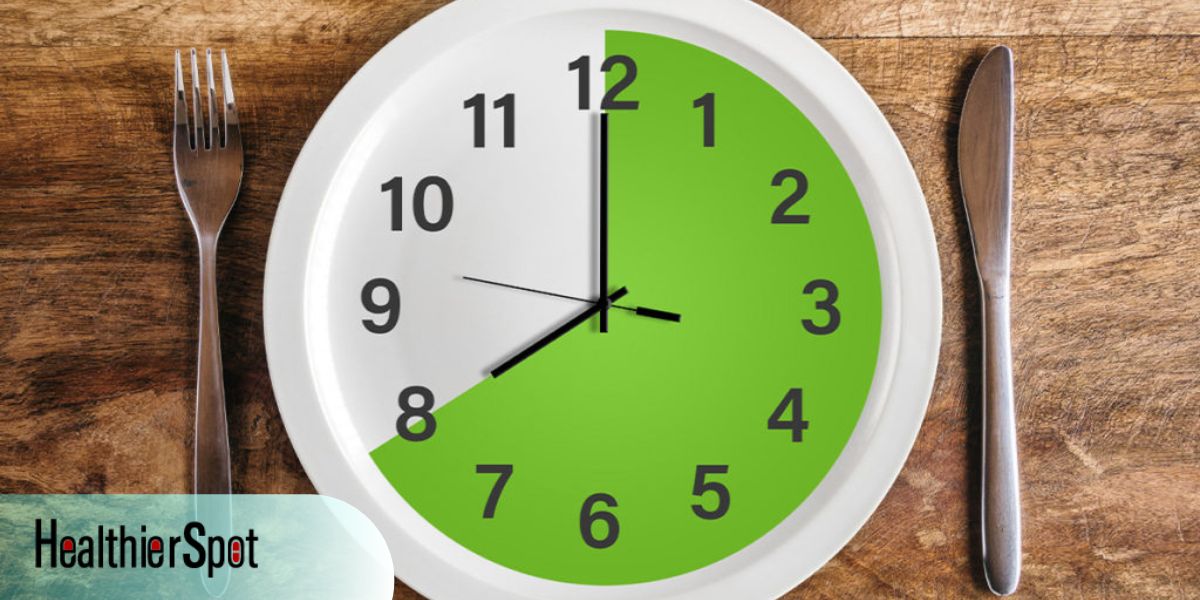
Intermittent fasting is not about what you eat, but when you eat. It involves alternating periods of eating and fasting. Some popular methods include the 16:8 method, where you fast for 16 hours and eat within an 8-hour window, or the 5:2 method, which involves eating normally five days a week and limiting calories on two non-consecutive days.
How Intermittent Fasting Works
During fasting periods, your body undergoes several changes that can improve health and support weight loss. Insulin levels drop, which allows your body to access stored fat for energy. Human growth hormone levels increase, which helps preserve muscle and burn fat. Fasting may also trigger cellular repair processes that improve overall health.
Potential Benefits
-
Weight Loss: By limiting the eating window, many people naturally consume fewer calories, which can lead to weight loss.
-
Improved Metabolism: Fasting can help regulate insulin and blood sugar levels, reducing the risk of type 2 diabetes.
-
Heart Health: Some studies suggest intermittent fasting can lower cholesterol, blood pressure, and inflammation.
-
Brain Health: Fasting may support brain function by reducing oxidative stress and promoting the growth of new nerve cells.
What to Keep in Mind
Intermittent fasting isn’t for everyone. People with certain health conditions, pregnant or breastfeeding women, or anyone with a history of eating disorders should avoid strict fasting unless guided by a healthcare professional. It’s also important to focus on nutrient-dense foods during eating periods to avoid nutrient deficiencies and maintain energy levels.
Common Myths
-
You Can Eat Anything: Intermittent fasting doesn’t give you a free pass to eat junk food. Quality nutrition is still essential.
-
It’s All About Weight Loss: While weight loss is a common goal, intermittent fasting also offers benefits for metabolism, brain health, and longevity.
-
You Must Fast for 24 Hours: Shorter fasting windows can be just as effective. It’s about consistency, not extremes.
Intermittent fasting can be a powerful tool for improving health and managing weight, but it’s not a magic solution. Combining it with a balanced diet, regular exercise, and good sleep is the key to long-term results. Listening to your body and adjusting your fasting schedule to fit your lifestyle is the best approach.
















Leave a comment