

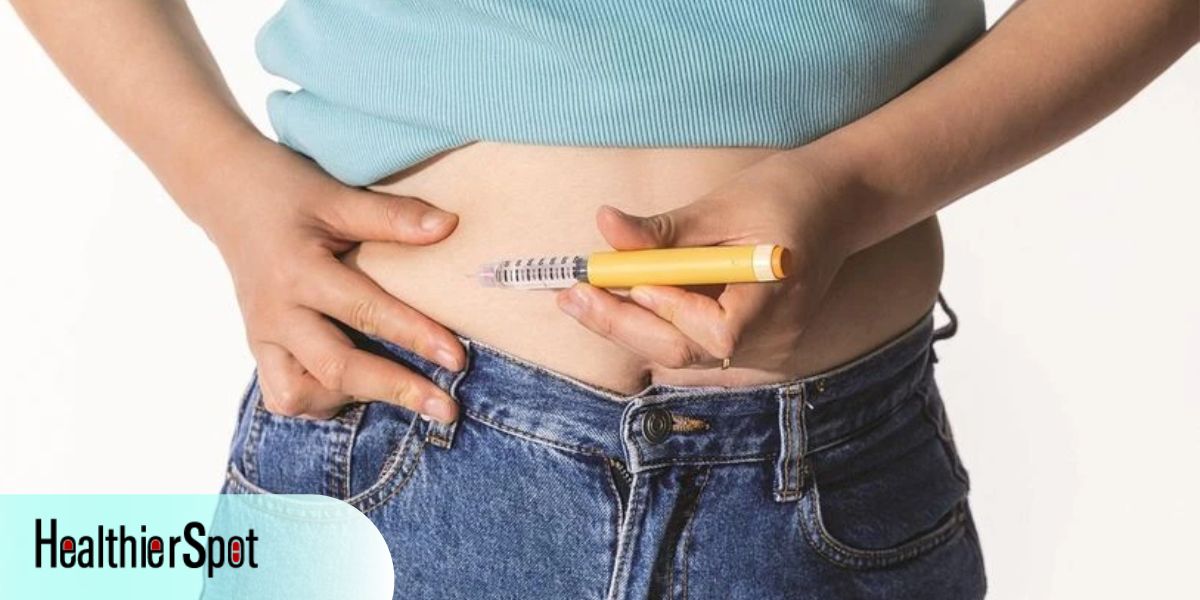
If the last few years were the “gold rush” of weight loss medications—characterized by frantic demand, endless shortages, and the meteoric rise of Ozempic and Wegovy—2026 is shaping up to be the year of refinement, accessibility, and the revolution of the daily pill.
As we settle into January 2026, the landscape of obesity medicine is shifting dramatically. The days of struggling to find a pharmacy with stock or fearing the weekly needle are beginning to fade. In their place, a new era is emerging: one defined by oral options, “super-agonist” drugs with unprecedented efficacy, and, perhaps most importantly, fierce price wars that may finally make these life-changing treatments affordable for the average person.
Here is an in-depth look at the big changes coming for weight loss drugs this year, and what they mean for your health journey.
1 The “Pill Revolution” Is Finally Here
For millions of patients, the biggest barrier to GLP-1 therapy hasn’t just been cost—it’s been the needle. While many have adapted to weekly injections, the pharmaceutical industry has long known that the “holy grail” is a high-efficacy daily tablet. In 2026, that grail is within reach.
The Arrival of the Wegovy Pill Just last month, in December 2025, the FDA approved Novo Nordisk’s oral formulation of semaglutide (the active ingredient in Wegovy and Ozempic) specifically for weight loss. Unlike the earlier oral version used for diabetes (Rybelsus), which had strict dosing limitations, this new high-dose pill is engineered to rival the weight loss results of its injectable counterpart.
Launching in the U.S. this month, this pill changes the game for:
- Needle-phobic patients: Those who avoided treatment solely due to injections.
- Travelers: No more worrying about keeping pens refrigerated during long trips.
- Maintenance: A simpler way to maintain weight after hitting a target.
Eli Lilly’s Orforglipron Hot on Novo Nordisk’s heels is Eli Lilly’s orforglipron. Unlike semaglutide, which is a peptide and hard for the stomach to absorb, orforglipron is a “small molecule” drug. This means it is cheaper to manufacture and easier to produce at a massive scale. Clinical trials have shown it to be highly effective, and analysts expect it to be a major disruptor in late 2026, potentially offering a lower price point than current peptide-based drugs.
2 Enter the “Triple G” Super-Drugs: Retatrutide
If you thought losing 15% to 20% of body weight on Wegovy or Zepbound was impressive, get ready for Retatrutide.
Currently wrapping up its Phase 3 trials, Retatrutide is being called the “Godzilla” of weight loss drugs. While Ozempic targets one hormone (GLP-1) and Mounjaro/Zepbound targets two (GLP-1 and GIP), Retatrutide targets three: GLP-1, GIP, and Glucagon.
This “triple agonist” mechanism doesn’t just suppress appetite; it actively ramps up the body’s energy expenditure (burning more calories at rest) and improves liver health. Early data suggests weight loss of up to 29%, approaching the results of bariatric surgery.
- Why it matters for 2026: While FDA approval might land late in the year or early 2027, the completion of major trials this spring will likely dominate medical headlines, giving hope to “non-responders”—patients who didn’t see enough success with current dual-agonist drugs.
3 The Price War: Policies, Competition, and “TrumpRx”
For years, the U.S. paid astronomically higher prices for obesity drugs compared to Europe. In 2026, the financial dam is breaking.
Government Intervention Following the policy shifts announced in late 2025, specifically the “TrumpRx” initiative and new Most-Favored-Nation pricing strategies, the list prices for major injectables are projected to drop significantly. The aim is to bring monthly costs down from the hovering $1,000 range to closer to $150–$350 for eligible patients. This political pressure has forced pharmaceutical giants to rethink their pricing models to avoid exclusion from Medicare and Medicaid formularies.
The Rise of Generics It’s not just politics; it’s patents. 2026 marks the entry of generic competition for older GLP-1 drugs. Liraglutide (the active ingredient in Saxenda and Victoza) is facing patent cliffs. While less potent than semaglutide, generic liraglutide offers a “budget-friendly” entry point for patients paying out of pocket, forcing branded drugs to compete on price for the first time.
4 Supply Chain Stabilization: The End of Shortages?
The “shortage era” of 2023-2024 left millions anxious, calling pharmacy after pharmacy to find their dose. 2026 brings relief.
- Manufacturing Scale-Up: Both Novo Nordisk and Eli Lilly have spent billions over the last two years building massive new manufacturing plants in North Carolina, Indiana, and Europe. These facilities are now coming online.
- Oral Ease: As mentioned, oral pills like orforglipron are chemical-based, not biological. They are infinitely faster and cheaper to make than the complex “grow-and-harvest” process required for peptide injections. As patients switch to pills, it frees up the supply of injectable pens for those who need them.
5 Beyond the Scale: Muscle Preservation & Quality Weight Loss
In 2024, the criticism was “Ozempic face” and muscle loss. In 2026, the focus is on body composition.
Losing weight is good; losing muscle is bad. New combination therapies are in the pipeline, such as CagriSema (a combo of semaglutide and a long-acting amylin analogue called cagrilintide). This drug aims to produce high weight loss while potentially preserving more lean muscle mass than GLP-1s alone.
Furthermore, we are seeing a surge in “companion therapies”—supplements and protocols prescribed alongside weight loss drugs specifically to protect bone density and muscle mass. 2026 will see the rise of the “Obesity Oncologist” model: a holistic approach where drugs are just one pillar, supported by resistance training and high-protein interventions as standard medical protocol, not just lifestyle advice.
6 Expanding Indications: It’s Not Just About Weight
Finally, 2026 will solidify these drugs as total-health interventions, not just vanity treatments. Following the success of Wegovy in reducing heart attack risks, new data is expected this year regarding:
- Sleep Apnea: Zepbound has shown immense promise in treating obstructive sleep apnea, potentially replacing CPAP machines for some.
- Kidney Disease & Addiction: Ongoing trials are exploring how these drugs reduce inflammation in kidneys and curb cravings for alcohol and opioids.
Conclusion: The Year of Choice
The narrative for 2026 is segmentation. We are moving away from a “one-drug-fits-all” market.
- Need the absolute highest weight loss? Retatrutide (coming soon).
- Hate needles? Oral Wegovy or Orforglipron.
- On a budget? Generic Liraglutide or price-capped branded options.
- Worried about muscle? CagriSema and resistance protocols.
Big changes are indeed coming for weight loss drugs this year. For the consumer, this competition is the best possible news: it means better access, lower prices, and treatments that fit your life, rather than you fitting your life around a treatment.

















Leave a comment