


Did you know that up to 50 percent of women experience urine leakage during their lifetime? How to stop female urine leakage becomes a crucial question when you consider that women face approximately four leakage episodes per week on average.
Despite being incredibly common, this condition remains shrouded in silence. Nearly a third of women keep their symptoms entirely to themselves, never seeking medical advice. Even more surprisingly, only 25% of women talk to their doctors about it. This reluctance persists despite the fact that 1 in 4 women take time off work due to bladder incontinence, and those with severe cases spend about $900 per year for their care.
The good news? Solutions exist for every type and severity of female urinary incontinence. In fact, as little as an 8 percent weight loss can decrease incontinence by half. Whether you’re among the one-third of women in their twenties experiencing some form of urinary incontinence or you’re dealing with age-related bladder leakage, we’ve compiled doctor-approved strategies that can provide immediate and long-term relief.
In this comprehensive guide, we’ll explore the different types of female urinary incontinence, identify common causes, and most importantly, share effective treatments – from simple lifestyle changes to advanced medical options. Let’s start your journey toward dryness, confidence, and comfort.
Understanding Female Urine Leakage
Urinary incontinence is the unintentional passing of urine, affecting approximately 62% of women age 20 and older. Understanding what’s happening in your body is the first step toward finding effective solutions.
Types of urinary incontinence in women
Female urinary incontinence generally falls into several categories. Stress incontinence occurs when pressure is applied to your bladder during activities like coughing, laughing, or exercising. Urge incontinence happens when you feel a sudden, intense need to urinate and can’t hold it until reaching a bathroom. Nearly 43% of women in their 50s and early 60s experience at least one of these types.
Many women actually have mixed incontinence, a combination of both stress and urge symptoms. Less common types include overflow incontinence, where your bladder doesn’t empty completely, and functional incontinence, which occurs when physical limitations prevent timely bathroom access.
Common causes like childbirth, aging, and obesity
Pregnancy and vaginal delivery significantly impact pelvic floor health. The risk of developing urinary incontinence almost triples after vaginal delivery compared to cesarean section over a 10-year period. Menopause also plays a crucial role as changing estrogen levels affect bladder control.
Excess weight creates additional pressure on your pelvic floor, with each 5-unit increase in BMI raising incontinence risk by approximately 20% to 70%. Furthermore, weight loss can reduce incontinence episodes by about 57% for stress incontinence.
Aging likewise contributes to incontinence, particularly after age 50, although it’s important to remember that incontinence is not an inevitable part of growing older.
How to identify your symptoms
To determine your specific type of incontinence, pay attention to when leakage occurs:
- You might have stress incontinence if you leak when coughing, sneezing, laughing or exercising
- Urge incontinence typically involves sudden, intense urges followed by immediate leakage
- Mixed incontinence shows symptoms of both types
- Frequent small leaks despite feeling you haven’t emptied your bladder completely suggest overflow incontinence
Tracking the frequency, amount, and triggering activities can help your doctor determine the appropriate treatment approach.
Lifestyle Changes That Offer Instant Relief
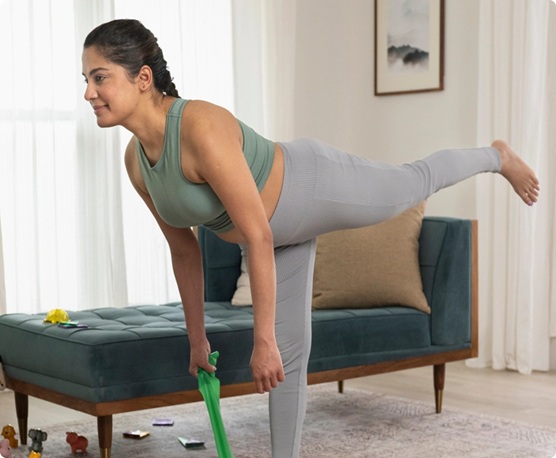
Immediate relief from female urine leakage is possible through simple lifestyle modifications that you can implement today.
Pelvic floor exercises (Kegels)
Kegel exercises strengthen the muscles supporting your bladder and uterus. Initially, locate these muscles by attempting to stop urination midstream. Once identified, perform Kegels by tightening these muscles for 3-5 seconds, then relaxing for the same duration. Aim for 10 repetitions, 3 times daily. Consistency matters – continue for 4-6 weeks to notice improvement. Remember to breathe normally and avoid tightening your stomach, buttocks, or thigh muscles while doing Kegels.
Bladder training and timed voiding
Bladder training helps increase the time between bathroom visits. Begin by keeping a diary tracking your urination patterns. Subsequently, establish a schedule that adds 15 minutes to your typical interval between bathroom trips. When urges come before your scheduled time, try relaxation techniques or pelvic floor contractions to delay urination. Gradually increase intervals by 15 minutes until reaching 3-4 hours between visits. This technique can take 6-12 weeks for optimal results.
Avoiding bladder irritants like caffeine and alcohol
Certain foods and drinks can aggravate incontinence. Notably, caffeine makes your bladder overactive and increases urination frequency. Women with bladder problems should ideally consume zero caffeine. Moreover, alcohol acts as a diuretic and reduces bladder control. Additional irritants include:
- Carbonated beverages
- Spicy or acidic foods
- Artificial sweeteners
- Citrus fruits
Managing fluid intake the right way
Contrary to what you might think, limiting fluid intake worsens incontinence by concentrating urine. Aim for approximately eight 8-ounce cups (about 2 liters) of fluid daily. Additionally, spread fluid consumption evenly throughout the day and reduce intake before bedtime to prevent nighttime bathroom trips. Your urine should be light yellow – a sign of proper hydration.
Losing excess weight
Excess weight creates pressure on your bladder, worsening leakage. Consequently, weight reduction provides significant relief – losing just 5-10% of your body weight can reduce incontinence episodes by up to 70%. Furthermore, women who lost 5-10% of their weight were 2.4 times more likely to experience significant reduction in leakage compared to those who gained weight.
Medical Treatments You Can Discuss With Your Doctor
When lifestyle changes alone don’t provide enough relief, prescription medications offer additional options for managing female urine leakage.
Anticholinergic and beta-3 agonist medications
Anticholinergics work by blocking nerve signals that trigger bladder contractions. Common options include oxybutynin, tolterodine, darifenacin, solifenacin, trospium and fesoterodine. These medications can reduce leakage episodes by 0.5 to 1.08 per day and decrease urination frequency by 0.54 to 1.3 episodes daily. However, side effects often include dry mouth, constipation, and blurred vision, with potential cognitive effects in older adults.
Beta-3 agonists like mirabegron and vibegron represent a newer alternative that relaxes bladder muscles without antimuscarinic side effects. These medications work by stimulating beta-3 receptors, which make up 97% of the bladder’s beta adrenergic receptors.
Low-dose vaginal estrogen therapy
For postmenopausal women, vaginal estrogen (available as creams, rings, or tablets) can improve incontinence by strengthening urethral tissues. In one study, symptoms improved significantly after 12 weeks of treatment, with 42% of women becoming completely dry. This treatment works locally with minimal absorption into the bloodstream.
Botox injections for overactive bladder
Botox injections into the bladder muscle can dramatically improve symptoms when other treatments fail. About 70-75% of patients experience significant reduction in symptoms, with effects typically lasting 6-12 months before requiring repeat treatment.
Advanced Options for Persistent Symptoms
For women with persistent urine leakage who haven’t found relief through conservative approaches, several advanced options exist.
Nerve stimulation therapies (PTNS and sacral neuromodulation)
Percutaneous Tibial Nerve Stimulation (PTNS) involves a small needle placed near the ankle that delivers mild electrical impulses to indirectly modulate bladder function. This office-based therapy requires twelve weekly 30-minute sessions initially, followed by monthly maintenance. Studies show 50-80% of patients experience significant improvement. First results typically appear after 5-7 sessions.
Sacral neuromodulation implants a small device (about thumbnail-sized) under the skin in your lower back. This device sends electrical impulses to sacral nerves controlling bladder function. Overall, 70-85% of patients find relief from their symptoms. First, a trial period determines effectiveness before permanent implantation.
Vaginal pessaries for pelvic support
Pessaries are removable devices inserted into the vagina to support pelvic organs. For urinary incontinence, they compress the urethra against the pubic bone and elevate the bladder neck. Common types include ring, incontinence ring, and dish pessaries. Essentially, they’re ideal for women seeking non-surgical options or those who aren’t suitable surgical candidates.
Sling surgery for stress incontinence
Sling procedures create a supportive hammock under the urethra using synthetic mesh or your own tissue. The most common approach is the tension-free midurethral sling, typically completed in under 30 minutes as outpatient surgery. Recovery requires 2-6 weeks. Above all, this option provides long-term relief when other treatments fail.
Conclusion
Female urinary incontinence affects millions of women yet remains unnecessarily shrouded in silence. Throughout this guide, we’ve explored the various types of incontinence, from stress and urge to mixed and overflow, along with their common causes such as childbirth, aging, and obesity. Most importantly, we’ve outlined numerous effective solutions ranging from simple lifestyle modifications to advanced medical interventions.
Kegel exercises stand out as a foundational approach for strengthening pelvic floor muscles, while bladder training helps establish healthier urination patterns. Additionally, weight loss provides significant relief, with even modest reductions decreasing incontinence episodes by up to 70%. Dietary changes, particularly avoiding bladder irritants like caffeine and alcohol, can likewise deliver quick improvements.
Medical treatments offer another layer of support when lifestyle changes prove insufficient. Medications such as anticholinergics and beta-3 agonists effectively reduce bladder contractions, while low-dose vaginal estrogen helps postmenopausal women by strengthening urethral tissues. For persistent cases, Botox injections, nerve stimulation therapies, vaginal pessaries, or sling surgery present viable advanced options.
Living with urine leakage certainly impacts quality of life, but you don’t have to accept it as inevitable. The journey toward dryness and comfort begins with acknowledging the issue and seeking appropriate care. Remember, despite its prevalence, incontinence remains highly treatable at any age or stage of life.
Take control of your bladder health today. Your path to confidence and comfort awaits, free from the constraints of urine leakage. After all, understanding your condition and exploring available treatments marks the first step toward reclaiming the freedom and peace of mind you deserve.
Key Takeaways
Female urine leakage affects up to 50% of women but remains highly treatable through various doctor-approved approaches that can provide both immediate and long-term relief.
- Start with Kegel exercises immediately – Strengthen pelvic floor muscles by contracting for 3-5 seconds, 10 reps, 3 times daily for 4-6 weeks to see improvement.
- Lose just 5-10% of body weight – Even modest weight loss can reduce incontinence episodes by up to 70% and significantly improve bladder control.
- Practice bladder training – Gradually increase time between bathroom visits by 15-minute intervals to retrain your bladder and reduce urgency.
- Avoid bladder irritants – Eliminate caffeine, alcohol, carbonated drinks, and spicy foods while maintaining proper hydration with 8 cups of water daily.
- Seek medical help when needed – Prescription medications, Botox injections, and advanced treatments like nerve stimulation can provide relief when lifestyle changes aren’t enough.
Remember, urinary incontinence is not an inevitable part of aging or motherhood. With the right combination of lifestyle modifications and medical treatments, you can regain control and confidence. Don’t suffer in silence – effective solutions exist for every type and severity of female urinary incontinence.
FAQs
Q1. What are some effective home remedies for female urine leakage? Some effective home remedies include performing Kegel exercises regularly, practicing bladder training, avoiding bladder irritants like caffeine and alcohol, managing fluid intake properly, and maintaining a healthy weight through diet and exercise.
Q2. How can I strengthen my pelvic floor muscles to reduce urine leakage? You can strengthen your pelvic floor muscles by doing Kegel exercises. Tighten the muscles you use to stop urination for 3-5 seconds, then relax for the same duration. Aim for 10 repetitions, 3 times daily. Consistency is key – continue for 4-6 weeks to notice improvement.
Q3. Are there any over-the-counter products that can help with bladder leakage? While prescription medications are often more effective, some over-the-counter options may provide relief. These include bladder control supplements containing ingredients like pumpkin seed extract or soy isoflavones, as well as absorbent pads or underwear for managing leaks.
Q4. What medical treatments are available for persistent urinary incontinence? For persistent symptoms, medical treatments include anticholinergic and beta-3 agonist medications, low-dose vaginal estrogen therapy for postmenopausal women, and Botox injections for overactive bladder. Advanced options like nerve stimulation therapies and sling surgery are also available for severe cases.
Q5. How much weight loss is needed to improve urinary incontinence? Even modest weight loss can significantly improve urinary incontinence. Losing just 5-10% of your body weight can reduce incontinence episodes by up to 70%. Women who lost this amount were 2.4 times more likely to experience significant reduction in leakage compared to those who gained weight.

















Leave a comment