

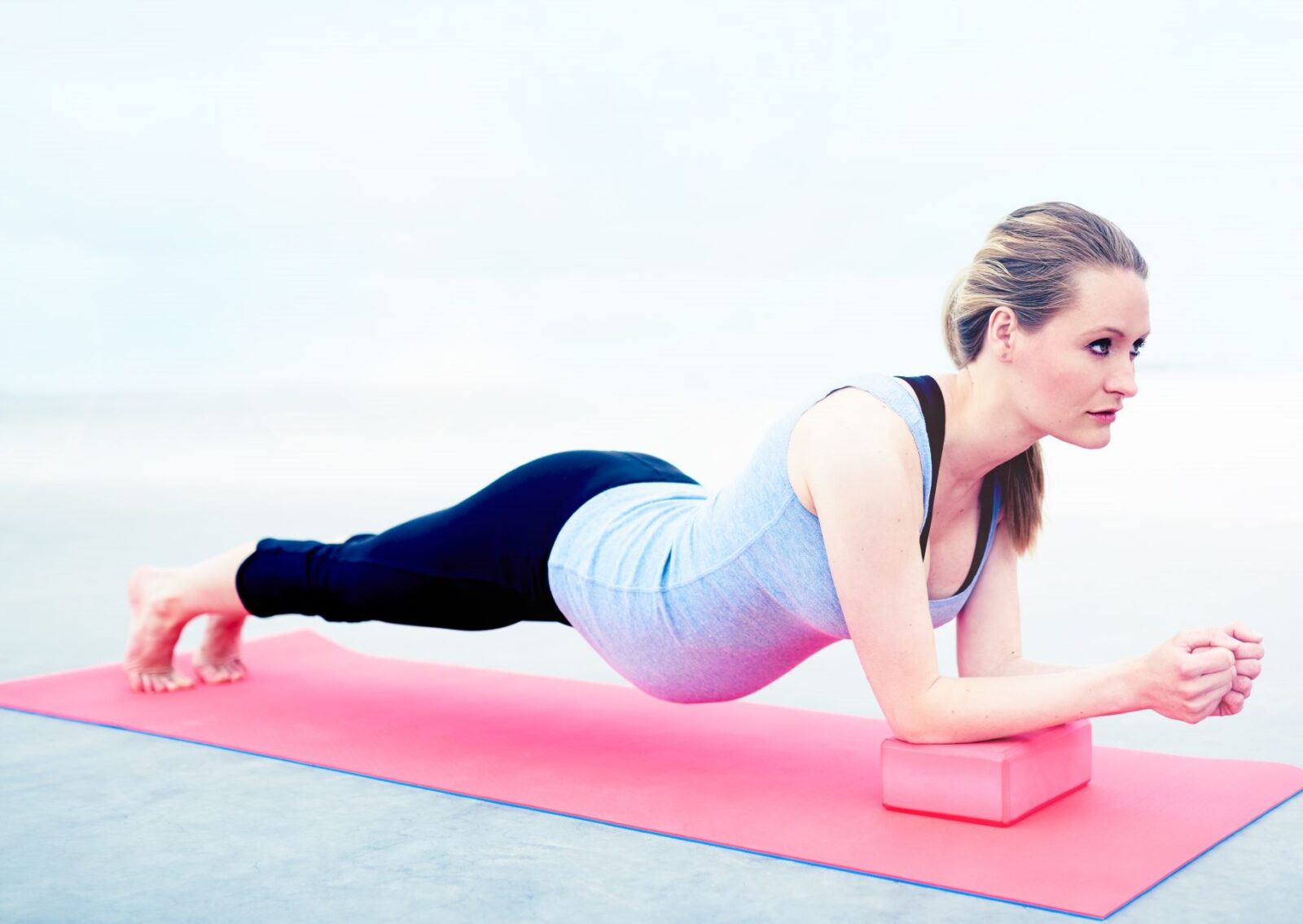
Pregnancy is an exciting journey filled with physical and emotional changes. During the early weeks of pregnancy, many women wonder whether they can continue exercising, especially when it comes to strengthening their core muscles. The good news is that Pregnancy safe ab exercises first trimester can help support your body, improve posture, and reduce discomfort when performed correctly and with your healthcare provider’s approval.
Your abdominal muscles play an important role during pregnancy. A strong core helps support your growing belly, reduces pressure on your back, and prepares your body for the months ahead. However, not every ab exercise is suitable during pregnancy. Understanding which movements are safe can help you stay healthy while protecting both you and your baby.
Why Core Strength Matters During Pregnancy
Your core muscles do much more than create a toned midsection. They help stabilize your spine, maintain balance, and support everyday movements. As pregnancy progresses, your center of gravity changes, placing additional strain on your back and pelvis.
Strengthening your core early in pregnancy may offer several benefits:
- Improved posture
- Reduced lower back pain
- Better balance and stability
- Enhanced support for your growing belly
- Easier recovery after childbirth
The first trimester is often the best time to establish a safe exercise routine because your body is still adapting to pregnancy.
Pregnancy Safe Ab Exercises First Trimester
When performing abdominal exercises during the first trimester, focus on gentle movements that engage the deep core muscles without excessive strain. Here are some safe and effective options.
1. Pelvic Tilts
Pelvic tilts are one of the safest core exercises during pregnancy.
How to do it:
- Stand against a wall or get on your hands and knees.
- Gently tuck your pelvis under.
- Tighten your abdominal muscles.
- Hold for a few seconds and release.
Repeat 10–15 times.
2. Bird Dog Exercise
This exercise improves balance and strengthens the core and lower back.
How to do it:
- Start on your hands and knees.
- Extend your right arm forward and left leg backward.
- Keep your back straight.
- Hold for a few seconds.
- Return to the starting position and switch sides.
Perform 8–10 repetitions per side.
3. Standing Knee Lifts
Standing exercises are excellent during pregnancy because they avoid unnecessary pressure on the abdomen.
How to do it:
- Stand tall with feet hip-width apart.
- Lift one knee toward your chest.
- Engage your abdominal muscles.
- Lower slowly and switch legs.
Repeat for 1–2 minutes.
4. Seated Core Breathing
Breathing exercises can activate deep abdominal muscles safely.
How to do it:
- Sit comfortably with a straight back.
- Inhale deeply through your nose.
- As you exhale, gently pull your belly button toward your spine.
- Hold for a moment and relax.
Repeat for 10–15 breaths.
5. Modified Side Plank
Traditional planks may be too intense for some women, but modified side planks can safely strengthen the obliques.
How to do it:
- Lie on your side with knees bent.
- Support yourself on your forearm.
- Lift your hips slightly off the floor.
- Hold for 10–20 seconds.
Repeat on both sides.
Exercises to Avoid During the First Trimester
While many activities remain safe during early pregnancy, certain abdominal exercises should be approached with caution.
Avoid:
- Traditional sit-ups
- Crunches with excessive twisting
- High-impact abdominal workouts
- Exercises that cause discomfort or dizziness
- Intense movements that strain the lower back
Every pregnancy is different. If an exercise feels uncomfortable, stop immediately and consult your healthcare provider.
Warning Signs to Stop Exercising
Exercise should make you feel energized, not exhausted. Stop your workout and seek medical advice if you experience:
- Vaginal bleeding
- Severe abdominal pain
- Dizziness
- Shortness of breath
- Chest pain
- Persistent contractions
- Fluid leakage
Listening to your body is one of the most important aspects of prenatal fitness.
Tips for Safe First-Trimester Workouts
To get the most benefit from your exercise routine, follow these simple guidelines:
Stay Hydrated
Drink water before, during, and after exercise to prevent dehydration.
Avoid Overheating
Pregnancy naturally raises body temperature. Exercise in a cool environment and wear breathable clothing.
Focus on Proper Form
Quality is more important than quantity. Controlled movements help reduce injury risk.
Warm Up and Cool Down
Spend at least five minutes warming up before exercising and cooling down afterward.
Get Medical Clearance
Always discuss your exercise routine with your healthcare provider, especially if you have a high-risk pregnancy or underlying medical condition.
Creating a Simple First-Trimester Core Routine
If you’re new to prenatal fitness, consider this beginner-friendly routine:
- Pelvic Tilts – 15 repetitions
- Bird Dog – 10 repetitions per side
- Standing Knee Lifts – 1 minute
- Seated Core Breathing – 15 breaths
- Modified Side Plank – 20 seconds per side
Complete the routine 2–3 times per week for best results.
Benefits Beyond Pregnancy
Maintaining a strong core during pregnancy doesn’t just help in the present moment. It may also support postpartum recovery. Women who stay active often find it easier to return to regular movement after giving birth.
Additionally, regular exercise can improve mood, increase energy levels, and reduce stress during pregnancy. These benefits contribute to overall well-being for both mother and baby.
Wrap Up
Incorporating Pregnancy safe ab exercises first trimester into your fitness routine can be a smart way to support your changing body while staying active. Gentle exercises such as pelvic tilts, bird dogs, standing knee lifts, and core breathing can strengthen important muscles without placing unnecessary strain on your abdomen. Always prioritize safety, listen to your body, and consult your healthcare provider before beginning any exercise program. With the right approach, pregnancy safe ab exercises first trimester can help you feel stronger, more comfortable, and better prepared for the months ahead.
- Core exercises during pregnancy
- Core workouts for moms-to-be
- Exercise while pregnant
- First trimester fitness
- First trimester workout
- Healthy pregnancy tips
- Pregnancy exercises
- Pregnancy health
- Pregnancy safe ab exercises first trimester
- Pregnancy wellness
- Prenatal core strengthening
- Prenatal exercise routine
- Prenatal fitness
- Safe ab workouts for pregnant women
- Safe pregnancy workouts















Leave a comment