

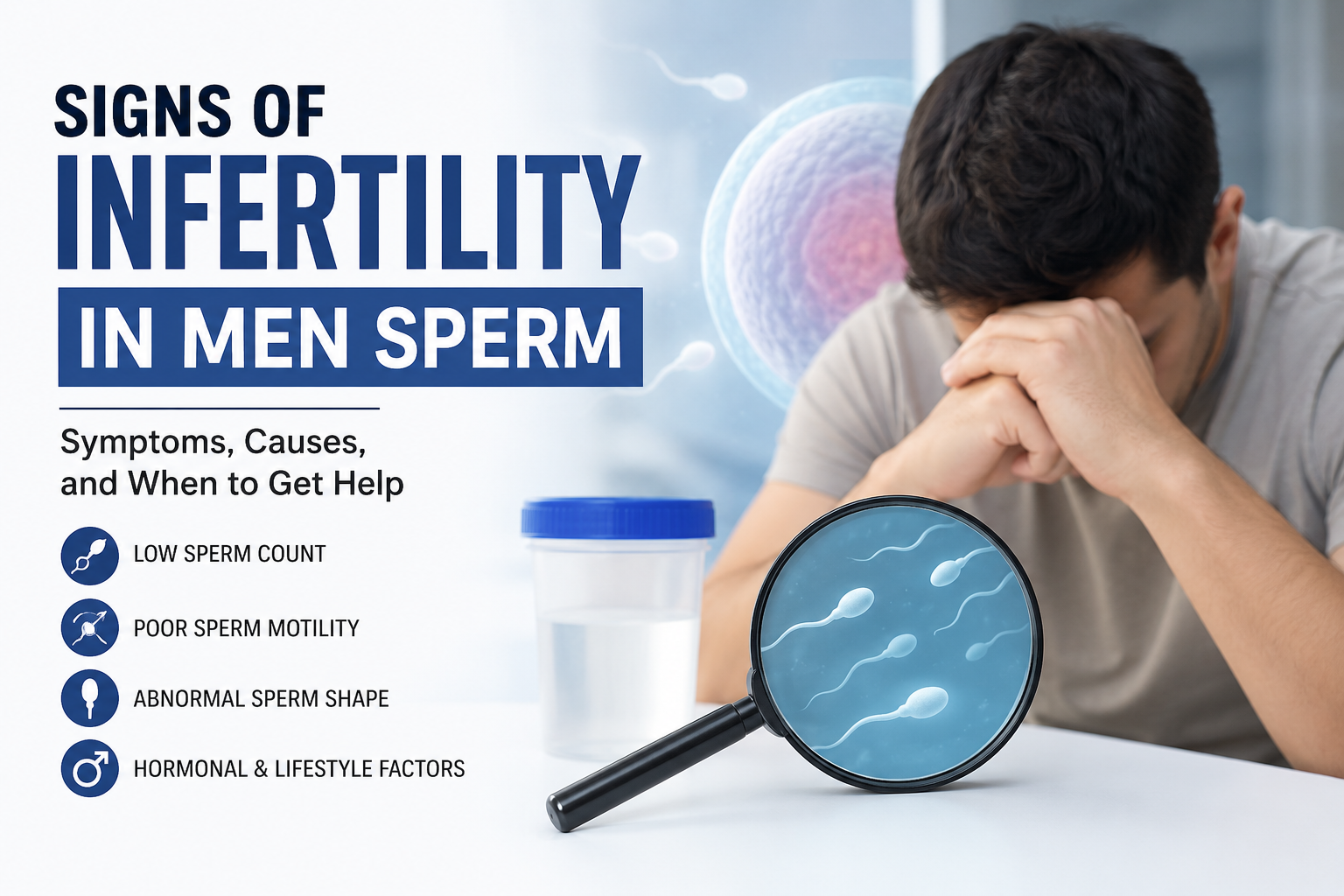
Signs of infertility in men sperm: What You Need to Know
When people talk about fertility problems, the focus often falls on women, but male fertility matters just as much. Many men do not realize there may be warning signs connected to sperm health until they and their partner have been trying to conceive for months without success. Understanding the Signs of infertility in men sperm can help men take action earlier, get proper testing, and find treatment options before stress and confusion grow.
Male infertility usually means a man has difficulty helping his partner become pregnant after a year of regular, unprotected sex. In some cases, there are obvious symptoms. In other cases, there may be no clear sign at all until a semen analysis is done. That is why sperm health, hormone balance, sexual function, and reproductive health all play an important role.
The good news is that many causes of male infertility can be tested, managed, or treated. A man may have a low sperm count, poor sperm movement, abnormal sperm shape, hormonal issues, blockages, infections, or lifestyle-related factors affecting fertility. Some men feel embarrassed to talk about it, but infertility is a medical issue, not a personal failure.
What Does Male Infertility Mean?
Male infertility happens when something affects the production, quality, movement, or delivery of sperm. For pregnancy to happen naturally, the body must produce healthy sperm, the sperm must move properly, and it must be delivered through ejaculation. If any part of this process is affected, conception can become difficult.
According to MedlinePlus, male infertility may be linked to physical problems with the testicles, blockages in the ducts that carry sperm, hormone problems, genetic conditions, past infections, high fevers, or lifestyle and environmental factors.
A man can look healthy, feel healthy, and still have fertility challenges. This is one reason many couples are surprised when testing shows a male-factor issue. Fertility is not always visible from the outside.
Common Signs of Male Infertility
The most common sign of male infertility is the inability to conceive after one year of trying. However, some men may notice changes in their body or sexual health before that point. These signs do not always mean infertility, but they can be clues that a medical checkup is needed.
Some possible signs include:
Difficulty getting a partner pregnant despite regular unprotected sex.
Problems with ejaculation, such as low semen volume, delayed ejaculation, or pain during ejaculation.
Difficulty getting or keeping an erection.
Reduced sexual desire.
Pain, swelling, or a lump in the testicle area.
Changes in facial or body hair, which may suggest hormonal imbalance.
Abnormal breast growth in men.
Frequent respiratory infections or inability to smell in rare genetic or hormonal conditions.
Mayo Clinic lists sexual function problems, testicular pain or swelling, reduced body hair, gynecomastia, and hormonal or chromosomal signs among possible symptoms of male infertility.
It is important to remember that some men with infertility have no symptoms at all. They may only discover the issue after a semen analysis.
Sperm-Related Signs Men May Notice
Sperm itself cannot usually be judged accurately just by looking at semen. However, certain semen changes may suggest that a man should consider medical testing.
Watery semen may sometimes be linked with low sperm count. Cleveland Clinic notes that semen is typically thick and sticky, while runny or watery semen may indicate a low sperm count that can contribute to male infertility.
Low semen volume can also be a warning sign. Semen volume may be affected by hormonal issues, ejaculation problems, retrograde ejaculation, blockages, or prostate and seminal vesicle conditions. If semen amount suddenly becomes very low, it is worth discussing with a healthcare provider.
Other sperm-related concerns may include:
Very thin or watery semen.
Painful ejaculation.
Blood in semen.
A sudden change in semen amount.
Repeated difficulty conceiving despite regular sex.
Semen appearance alone cannot confirm infertility. A semen analysis is the proper test to measure sperm count, movement, shape, volume, and other important factors.
Low Sperm Count
Low sperm count means there are fewer sperm in the semen than expected. This can make pregnancy harder because fewer sperm are available to reach and fertilize the egg.
A semen analysis measures total sperm count and sperm concentration. MedlinePlus explains that a sperm count lower than 39 million sperm in the entire sample or a sperm concentration lower than 15 million per milliliter may make it more difficult to get a partner pregnant.
Low sperm count can happen for many reasons, including varicocele, hormonal problems, infections, heat exposure, smoking, alcohol use, obesity, certain medications, toxin exposure, or genetic conditions.
The challenge is that low sperm count often has no visible symptoms. A man may have normal sexual function and still have low sperm count. That is why testing is so important.
Poor Sperm Motility
Sperm motility means how well sperm move. Healthy sperm need to swim forward to reach the egg. If sperm movement is weak, slow, or abnormal, conception can become more difficult.
Poor motility can be linked to infections, inflammation, oxidative stress, varicocele, lifestyle factors, genetic issues, or long periods of heat exposure. Sometimes, sperm are present in normal numbers but do not move well enough.
A semen analysis can show whether sperm motility is within a healthy range. Cleveland Clinic describes semen analysis as a lab test that evaluates sperm count, motility, morphology, and other fertility markers.
Men usually cannot feel poor sperm motility. There may be no pain, no sexual problem, and no visible semen change. This is another reason fertility testing should involve both partners, not only the woman.
Abnormal Sperm Shape
Sperm morphology refers to sperm shape. A healthy sperm has an oval head and a long tail that helps it move. If many sperm have abnormal shapes, it may affect their ability to swim or fertilize an egg.
Abnormal sperm shape does not always mean a man cannot become a father. Many men with morphology issues can still conceive naturally or with medical help. However, it can be one part of a bigger fertility picture.
Sperm morphology may be affected by oxidative stress, infection, inflammation, toxins, heat, smoking, and certain health conditions. Research has also linked oxidative stress with changes in sperm morphology and function.
Because sperm shape cannot be seen without a microscope, morphology is checked through semen analysis.
Hormonal Signs That May Point to Fertility Problems
Hormones control sperm production, sexual desire, and reproductive function. If testosterone or other reproductive hormones are out of balance, fertility may be affected.
Possible hormonal signs include:
Low sex drive.
Erectile dysfunction.
Fatigue or low energy.
Reduced facial or body hair.
Loss of muscle mass.
Mood changes.
Breast tissue growth.
Hormonal issues can affect sperm count and sperm production. Some men may need blood tests along with semen analysis to understand what is happening.
The National Institute of Child Health and Human Development notes that hormone imbalance can contribute to a lack of sperm, and blockages can also stop sperm movement.
Pain, Swelling, or Lumps in the Testicles
Pain, swelling, or lumps in the testicle area should never be ignored. These symptoms may be linked to infection, injury, varicocele, cysts, or other medical conditions.
A varicocele is an enlarged vein in the scrotum. It can raise testicular temperature and affect sperm production or sperm quality. NICHD states that varicocele is present in about 40% of men with infertility problems.
Not every testicular lump is dangerous, but it should always be checked by a doctor. Early evaluation can protect both fertility and overall health.
Lifestyle Factors That Can Affect Sperm Health
Daily habits can have a strong impact on sperm quality. Sperm production takes time, so lifestyle changes may take a few months to show results.
Common lifestyle factors that may affect male fertility include:
Smoking.
Heavy alcohol use.
Drug use.
Obesity.
Poor sleep.
High stress.
Frequent heat exposure to the testicles.
Poor diet.
Lack of physical activity.
Exposure to pesticides, chemicals, radiation, or toxins.
Tight underwear alone is not always the main issue, but heat around the testicles can affect sperm production in some men. Hot tubs, saunas, laptops placed on the lap, or high-heat work environments may also contribute.
A healthier routine cannot fix every fertility issue, but it can support better sperm health and improve the chances of successful treatment.
When Should a Man Get Tested?
A man should consider fertility testing if he and his partner have been trying to conceive for one year without success. If the female partner is over 35, many doctors recommend testing after six months of trying.
Men should also seek medical advice sooner if they have:
A history of testicular injury or surgery.
Past cancer treatment.
Known hormonal problems.
Sexual function problems.
Pain or swelling in the testicles.
A history of undescended testicles.
Previous infections affecting reproductive organs.
Very low semen volume.
A known genetic condition.
Testing early can save time, reduce emotional stress, and help couples understand their options.
How Male Infertility Is Diagnosed
The first major test for male fertility is usually a semen analysis. This test checks semen volume, sperm count, sperm concentration, sperm movement, sperm shape, and other details.
A doctor may also suggest:
Physical examination.
Medical and sexual history review.
Hormone blood tests.
Genetic testing.
Scrotal ultrasound.
Urine test after ejaculation.
Infection screening.
Special sperm function tests.
StatPearls explains that male infertility assessment usually includes medical and sexual history, physical examination, and semen analysis.
Sometimes, one semen analysis is not enough. Sperm levels can change due to illness, fever, stress, medication, or collection issues. A doctor may repeat the test to confirm the results.
Can Male Infertility Be Treated?
Treatment depends on the cause. Some men may improve fertility through lifestyle changes, medications, hormone treatment, infection treatment, or surgery. Others may need assisted reproductive options.
Possible treatment approaches include:
Treating infections with medication.
Correcting hormonal imbalance.
Surgery for varicocele or blockages.
Improving ejaculation problems.
Lifestyle changes to support sperm quality.
Intrauterine insemination, also called IUI.
In vitro fertilization, also called IVF.
Intracytoplasmic sperm injection, also called ICSI.
The right treatment depends on sperm results, age, health history, and the couple’s overall fertility situation.
Emotional Side of Male Infertility
Male infertility can be emotionally difficult. Many men feel guilt, shame, anger, or pressure when they learn there may be a sperm-related issue. But fertility struggles are common, and they do not define a man’s worth, masculinity, or relationship value.
It helps to talk openly with a partner and approach fertility as a shared journey. Blame does not help. Testing, support, and treatment planning do.
Men should also know that asking for help is not weakness. In many cases, getting checked early gives couples more choices and a clearer path forward.
How to Support Better Sperm Health Naturally
While not every cause of infertility can be prevented, some steps may support sperm health:
Maintain a healthy weight.
Stop smoking.
Limit alcohol.
Avoid recreational drugs.
Eat a balanced diet with fruits, vegetables, lean protein, and healthy fats.
Exercise regularly.
Sleep well.
Manage stress.
Avoid overheating the testicles.
Review medications with a doctor if trying to conceive.
Treat infections promptly.
Avoid exposure to harmful chemicals where possible.
These steps are not instant cures, but they can support overall reproductive health. Since sperm production takes weeks to months, consistency matters.
FAQs About Male Infertility and Sperm
Can a man have infertility with no symptoms?
Yes. Many men have no obvious symptoms. They may only discover a sperm issue after a semen analysis.
Does watery semen always mean infertility?
No. Watery semen does not always mean infertility, but it may sometimes suggest low sperm count or another issue. If it happens often or comes with difficulty conceiving, testing is a good idea.
Can low sperm count be improved?
Sometimes, yes. Improvement depends on the cause. Lifestyle changes, medical treatment, surgery, or fertility procedures may help.
Is male infertility permanent?
Not always. Some causes are temporary or treatable, while others may need assisted reproductive technology.
What is the best test for sperm health?
A semen analysis is the main test used to check sperm count, movement, shape, and semen volume.
Wrapping Up
Understanding the Signs of infertility in men sperm can help men take fertility concerns seriously without fear or embarrassment. The most important thing to remember is that sperm problems are medical issues, and many can be tested, managed, or treated. If pregnancy is not happening after months of trying, or if there are symptoms like testicular pain, ejaculation problems, watery semen, or low sex drive, it is better to speak with a healthcare provider instead of waiting in silence.

















Leave a comment