

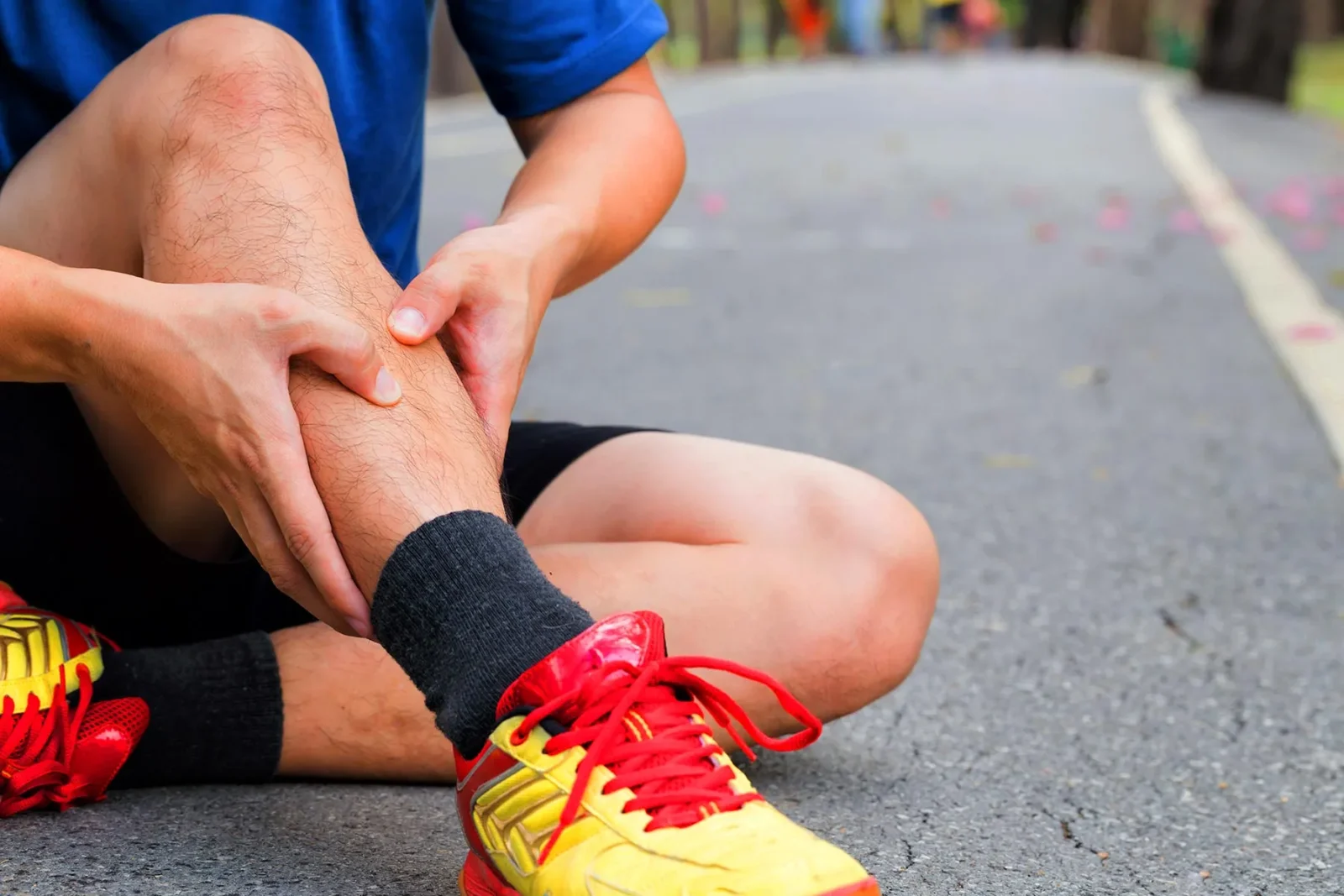
Finding a reliable shin splints cure is the top priority for any local runner who has suddenly encountered that nagging, burning pain along the front of their lower legs. There is nothing quite like that specific, deep ache along your shinbone to completely ruin a good week of training. It usually starts as a dull throb after a hard pavement run, but if ignored, it quickly transforms into a sharp pain that hurts even when you are just walking around your house.
The bad news? Shin splints are a classic overuse injury that can stop your training dead in its tracks. The good news? You do not necessarily have to sit on the couch for six weeks to heal them if you catch them early, treat the tissue actively, and address the root cause of the biomechanical stress.
Let’s break down the step-by-step recovery protocol, the lifestyle changes needed to fix the trigger, and how to safely get back to chasing your mileage goals.
Phase 1: The Immediate Relief Protocol (Stop the Fire)
If your shins are currently throbbing after a workout, your immediate goal is to calm down the acute bone and muscular inflammation. The old-school advice was simply to rest and take a handful of ibuprofen, but active recovery yields much better results.
-
The Ice Cup Massage: Don’t just slap a bag of frozen peas on your leg. Freeze water in a paper Dixie cup, tear off the top rim, and rub the ice directly up and down the affected bone for 10 to 15 minutes. This targeted ice massage penetrates deep into the irritated tissue.
-
Switch to Low-Impact Cardio: If it hurts to run, stop running for a few days. Your cardiovascular fitness won’t vanish. Keep your lungs working by jumping on a road bike, using the gym elliptical, or swimming.
-
Use Compression Sleeves: Wearing a tight compression sleeve during the day increases blood flow to the lower legs, which speeds up the cellular healing process and reduces micro-vibrations in the muscle when you walk.
Phase 2: Finding a Permanent Shin Splints Cure
To establish a permanent shin splints cure, you have to fix why the injury happened in the first place. Shin splints occur when the muscles and tendons around your tibia pull too hard on the bone tissue, usually due to worn-out gear, muscle imbalances, or a sudden spike in weekly mileage.
1. Check Your Odometer (The 300-Mile Rule)
When was the last time you bought running shoes? If you’ve logged more than 300 to 500 miles in your current pair, the internal foam cushioning has likely collapsed. Without that crucial shock absorption, your shinbones take the brunt of every single footstrike. Head to your local running specialty store for a fresh pair and a quick gait analysis.
2. Strengthen Your Tibialis Anterior
Most recreational runners have strong, tight calves but incredibly weak muscles on the front of their legs. This muscle imbalance is a primary culprit behind chronic lower leg pain.
Try Standing Toe Raises: Stand with your back against a wall and your heels a few inches out. Keep your heels planted and lift your toes as high as possible toward the ceiling. Do 3 sets of 20 repetitions daily. You will feel a deep burn in the front of your shin—that means the muscle is waking up.
3. Shorten Your Running Stride
Overstriding acts like a massive brake pad for your body. When your heel strikes the ground way out in front of your hips, it sends a violent shockwave straight up your lower leg. Focus on taking quicker, shorter steps, aiming to land with your feet directly underneath your body weight.
Phase 3: The Safe Return to Running
You do not need to wait until you are 100% pain-free to start jogging again, but you do need to use the “2 out of 10” pain rule. If 0 is zero pain and 10 is a broken bone, you can run as long as your shin discomfort stays at a 2 or below, and disappears entirely the morning after your run.
-
Avoid Concrete: Swap the hard city sidewalks for asphalt neighborhood roads, a local high school track, or smooth dirt park trails.
-
The 10% Rule: When building your weekly mileage back up, never increase your total distance by more than 10% from the previous week to give your bones time to adapt to the impact.
Summary Checklist for Fast Healing
| Action Item | Frequency | Why It Works |
| Ice Cup Massage | 2x Daily | Knocks down acute bone and tissue inflammation. |
| Toe Raises | Daily | Builds front-leg strength to balance out tight calves. |
| Calf Stretching | After every workout | Relieves the upward pulling tension on the shin tendon. |
| Gait/Shoe Check | Immediately | Ensures your footwear isn’t actively causing the injury. |
The Bottom Line
Lower leg pain is incredibly frustrating, but it is ultimately just a warning sign from your body that something in your training routine or footwear choice is out of balance.
When searching for an effective shin splints cure, remember that consistency beats quick fixes every time. Treat the inflamed tissue, upgrade your shoes, shorten your running stride, and you’ll be back to logging pain-free miles on your favorite local routes in no time.















Leave a comment